Most wedding insurance FAQs are written by people selling wedding insurance, which means the "what's covered" section gets three paragraphs and the "what's not" section gets a bullet point. That's backwards. The exclusions are what actually determine whether the policy does anything for you.
Cold feet is not a covered reason, anywhere
This is the exclusion people find out about at the worst possible time. If the wedding is off because one or both of you changed your mind, standard cancellation coverage does not pay out — full stop, no carrier exception. A small number of policies sell a specific "change of heart" rider, and even that usually only pays out to whoever financially backed the wedding (often parents) and only if the cancellation happens more than 180 days before the date. If you're buying insurance partly because you're nervous about the relationship itself, that's a conversation to have, not a policy to buy.
Pandemics and government shutdowns: excluded, on purpose
Every carrier that sold wedding insurance through 2020 paid out enormous cancellation claims when COVID shut venues down nationwide. Since then, essentially every policy on the market carries an explicit pandemic and communicable-disease exclusion. If a future outbreak or a government mandate forces your venue to close, don't assume your policy has your back here — read this specific clause directly rather than assuming it's covered under "circumstances beyond your control," because insurers wrote the exclusion precisely to close that loophole.
Anything you already knew about isn't a surprise anymore
Insurance covers the unknown, not the already-known. If you buy a policy after a hurricane is already forecast for your wedding weekend, or after your venue has already missed a payment to their landlord, or after a family member's illness has already been diagnosed, none of that qualifies as a covered loss — it's a pre-existing condition on the policy, the same concept as pre-existing conditions in health insurance. This is the exact reason the buy-it-right-after-you-book-the-venue advice exists: the earlier you buy, the fewer things are already "known."
Cosmetic disappointment isn't a claim
A photographer who shows up but takes mediocre photos, a cake that looks nothing like the picture, a DJ who plays the wrong song for your first dance — none of this is what wedding insurance covers, even though it's genuinely the stuff people are most upset about after the fact. Insurance covers financial loss from cancellation, vendor no-shows, and liability. It does not cover "the day didn't go the way I pictured it." That's a vendor-contract dispute, not an insurance claim.
What's actually excluded, in plain language
- Change of heart / called-off engagement — never covered under standard cancellation policies
- Pandemics and government-mandated closures — excluded by essentially every carrier post-2020
- Anything you knew about before buying the policy — no retroactive coverage for a known risk
- Vendor quality complaints — bad photos, a bad cake, a DJ who reads the room wrong; this is a contract issue, not a claim
- Normal wear, minor cosmetic damage — most policies set a claim minimum; a scuffed shoe isn't triggering a payout
- Anything outside your policy's stated coverage window — most policies only cover the ceremony, reception, and a defined setup/breakdown window, not the whole engagement
Read the actual exclusions page, not just the marketing page
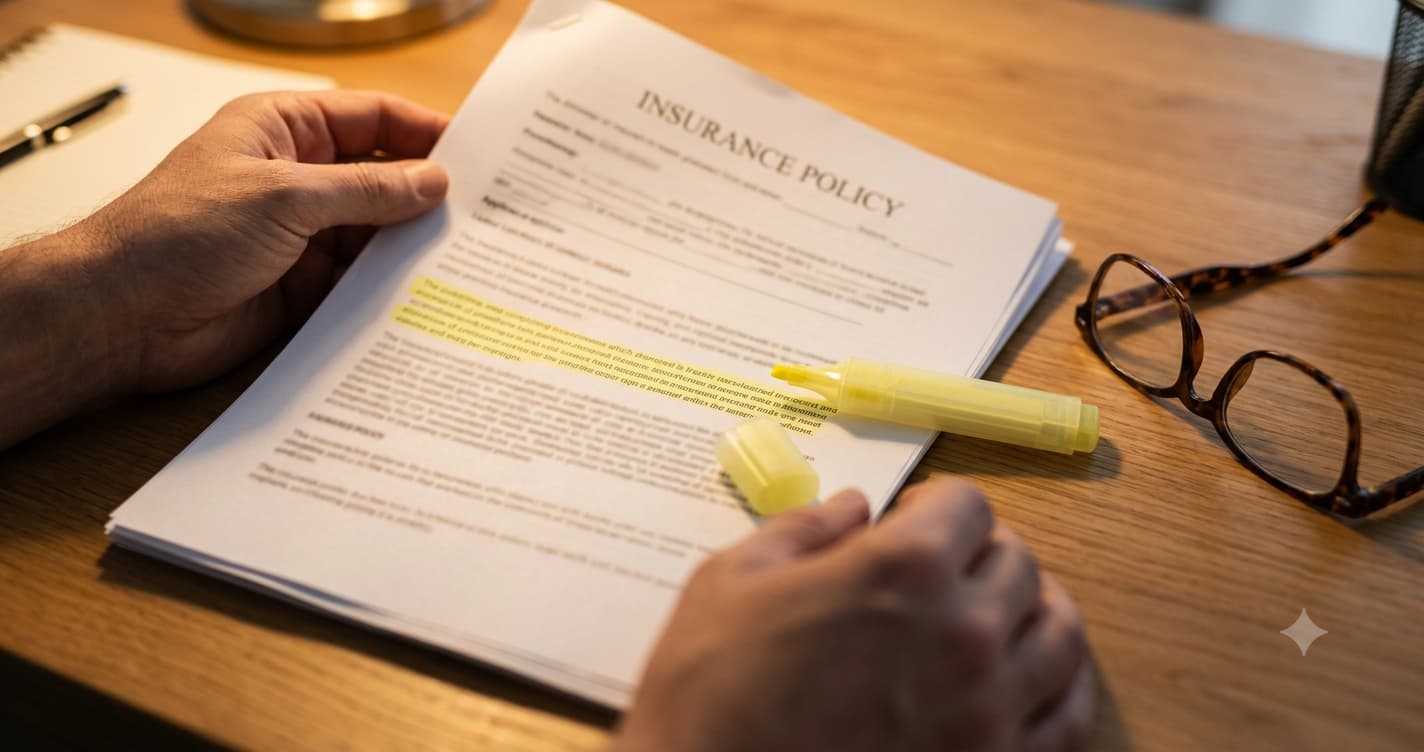
Every carrier publishes a full policy document with the specific exclusions listed — it's usually a PDF, not the sales page. Before you buy, especially for a destination wedding where multiple countries' laws and multiple policy types might apply, actually open that document. It's not exciting reading, but it's ten minutes that tells you exactly what you're paying for.
The fine print isn't there to trip you up. It's there because insurers already learned, expensively, which claims they'll actually pay — and which ones they've spent a decade writing policies specifically to avoid.
People Also Asked
Explore common questions related to this blog.
No — a vendor showing up and delivering poor-quality work is a contract dispute with that vendor, not an insurance claim. Insurance covers no-shows and business failures, not disappointing results.
Once you have reason to believe a specific risk is likely, it stops being an insurable "unknown" for that policy. This is exactly the pre-existing-condition exclusion — buy early, before you know anything's wrong.