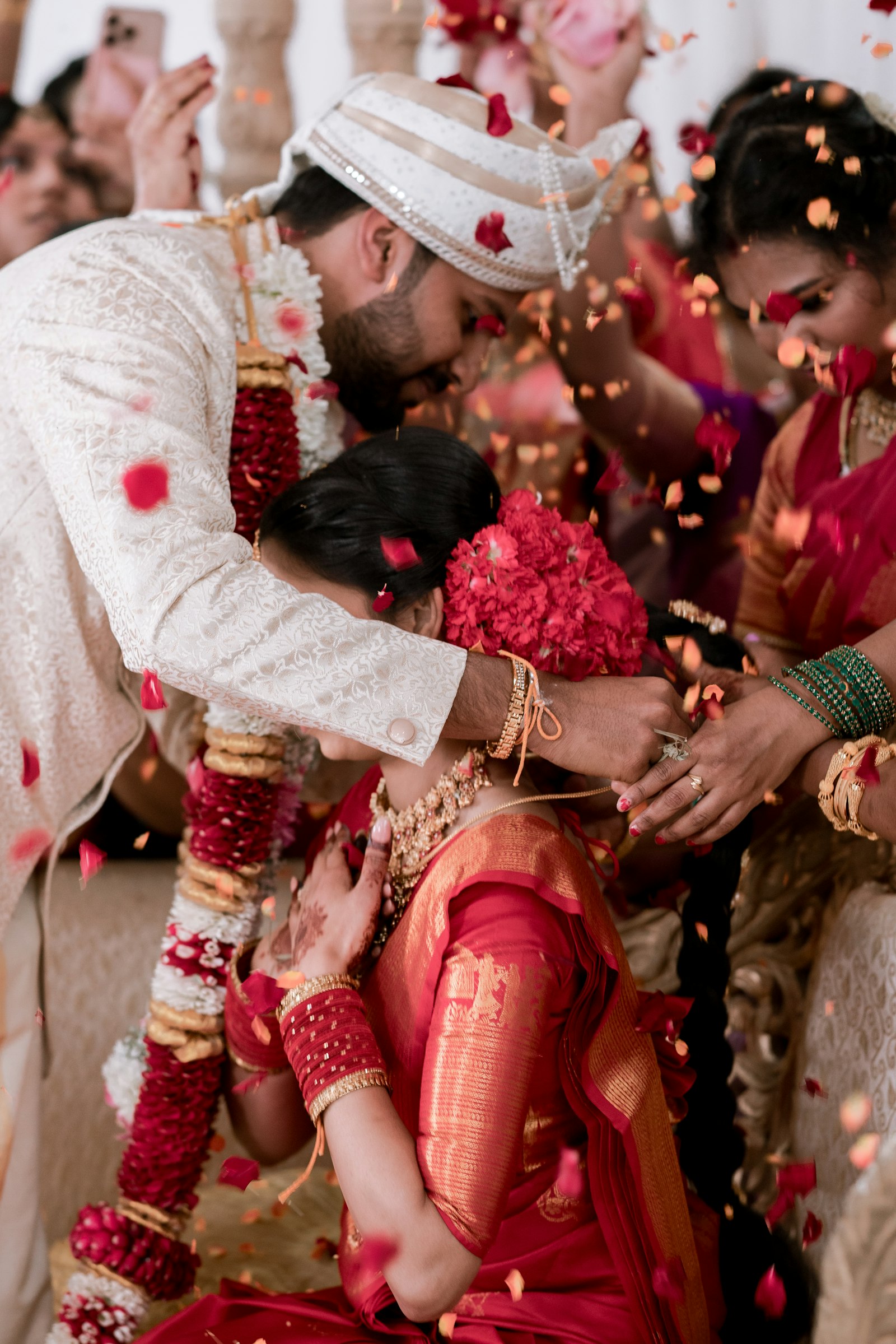
Quick answer: A Ramayana wedding invitation borrows from the most retold wedding in India, Ram and Sita's in Mithila. Open with a verse such as Mangal bhavan amangal hari, use one strong motif (Shiva's bow, a marigold varmala or Madhubani fish and lotus), keep the palette to ivory, saffron and gold, and let the wording stay simple and warm. Pick one story beat and do it well. A card that tries to fit the whole Ramayana on one page ends up looking like a calendar from the mithai shop, and nobody wants that.
Every Hindu wedding is already quietly borrowing from Ram and Sita's. The varmala. The blessing your dadi gives at the mandap, "jodi ho to Ram-Sita jaisi." The vivah geet your bua's group sings off-key at the haldi. A Ramayana invitation just says the quiet part out loud.
And this season, half the country has the story fresh in its head. Ramayana: Part 1 opened in cinemas on 5 November 2026, so the Shiva's bow scene and Sita's Mithila are back on everyone's feed. That makes it a lovely moment to use the theme, and also a risky one, because a lot of cards are about to look the same. Here's how to make yours feel like a story, not a poster.
Key takeaways
The short list
- Pick ONE story beat: the bow, the varmala, Mithila, or Ayodhya's diyas.
- Open with a real verse from the Ramcharitmanas or Valmiki, quoted correctly.
- Ivory, saffron, marigold and gold beat red-and-gold clutter for this theme.
- Keep the wording simple. The theme carries the emotion, the text carries the facts.
Why is Ram and Sita's wedding the original shaadi template?
Because almost every ritual we still do has a version in their story. King Janaka of Mithila promised his daughter Sita to whoever could lift and string Shiva's great bow. Princes came, princes failed. Then a young Rama, travelling with the sage Vishwamitra, lifted it, drew it, and the bow snapped with a sound the poets compare to thunder. Sita walked up with a garland, and that jaimala moment is the one painted on a thousand temple walls.
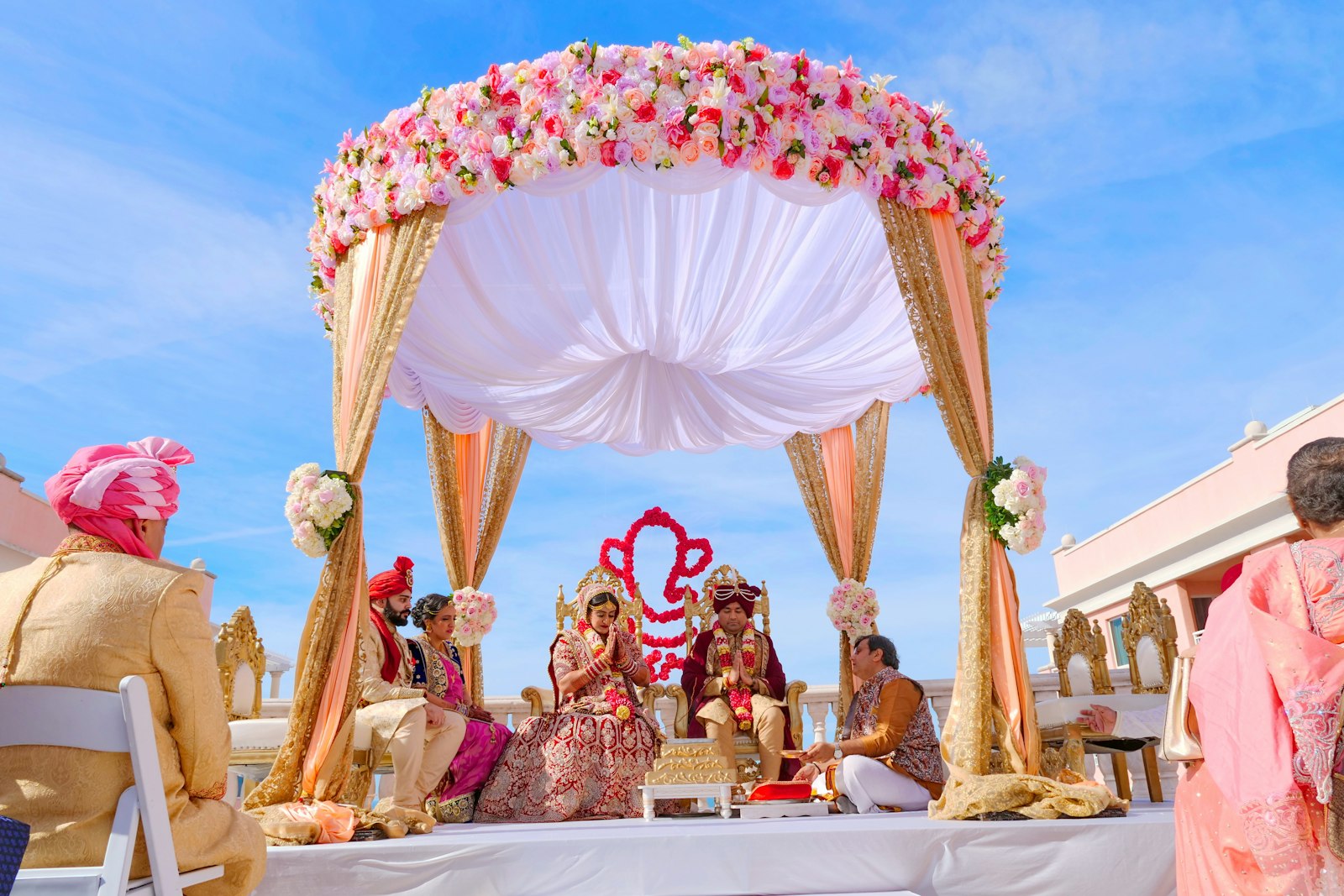
It didn't stop at one couple either. Rama's three brothers married in the same celebration: Lakshmana with Urmila, Bharata with Mandavi and Shatrughna with Shrutakirti. Four weddings, one baraat from Ayodhya. If your cousin is complaining about a three-function wedding, show them this.
The day is still celebrated as Vivah Panchami, on the fifth day of the bright half of Margashirsha, and in Janakpur it's the biggest event of the year. Funny thing, though: plenty of families in Mithila won't hold their own child's wedding on that exact date. We unpacked that belief, and what to do if your muhurat lands near it, in whether you should actually marry on Vivah Panchami.
What makes an invitation feel Ramayana, not just religious?
Honestly? Restraint. Slapping a Ram Darbar photo on the top of a regular card doesn't make it a Ramayana invitation. It makes it a regular card with a photo that guests feel guilty about deleting. The theme works when the story shapes the design itself.
Start with the verse
Most families open with a Ganesh shloka, and you still can. But a Ram-Sita card earns a line from the story itself. Mangal bhavan amangal hari is the crowd favourite, Siya Ram may sab jag jani is gentler, and Janaka's Sanskrit words when he gives Sita's hand to Rama are the most romantic of the lot. We've collected the best ones with their meanings in our list of Ramcharitmanas chaupais for wedding cards, along with the spelling traps to avoid.
Choose one hero motif
- Shiva's bow (Pinaka): dramatic and very cinematic right now. Works beautifully as a thin gold line drawing across the top of the card.
- The varmala: marigold or rose garland framing the date. Soft, festive, and every aunty gets it instantly.
- Mithila art: fish, lotus, bamboo and parrots in Madhubani line work. The most artistic option and the hardest to get right.
- Ayodhya at dusk: a skyline, a ghat and rows of diyas. Perfect for winter weddings and evening receptions.
Pick one as the hero and let a second appear small, maybe on the RSVP page. Four motifs on one card is giving temple calendar, not wedding invitation.
Borrow from Mithila's own art
Madhubani painting comes from the same region as Sita, and its Kohbar paintings were traditionally drawn on the wall of the newly-weds' room. That's about as on-theme as wedding art gets. If you're drawn to it, read what the Kohbar motifs on a Madhubani invitation actually mean before you order anything. Some of the symbols are more, um, fertility-forward than your nana might expect.
Get the colours right
Deep red and gold is lovely, but it's every other card in the stack. For this theme, try ivory or warm paper as the base, saffron and marigold orange as the warmth, a soft gold for line work and one deep accent like maroon or peacock blue. It reads calm and sacred instead of loud. And it photographs better on a phone screen, which is where most guests will see it first.
What should the wording say?
Less than you think. The design is already doing the storytelling, so the text should do its job: who's inviting, who's marrying, when, where, and how to reply. A typical structure that fits the theme:
॥ श्री सीताराम ॥
मंगल भवन अमंगल हारी । द्रवहु सो दसरथ अजिर बिहारी ॥With the blessings of Siya-Ram and our elders,
the Sharma and Mishra families invite you
to the wedding of
Ananya and Raghav
Sunday, 7 February 2027 · Pheras at 8:15 pm
Hotel name, City
If you want more versions, including Hindi-only, bilingual, a short WhatsApp one and wording for the haldi and sangeet inserts, they're all in our Ram Sita wedding card wording samples. For a standard Ganesh-first card instead, the older Hindu wedding invitation wording guide still holds up.
Can the theme carry through the whole wedding?
It can, and it's way more fun when it does. A bow-shaped arch at the groom's entry. A varmala stage done up as Janaka's court with marigold strings. A Madhubani backdrop for the photo booth. A diya-lit walkway for the reception that nods to Ayodhya welcoming Rama home. We've put the whole set of ideas, with budget notes, in Sita Ram wedding decor ideas from Mithila and Ayodhya.
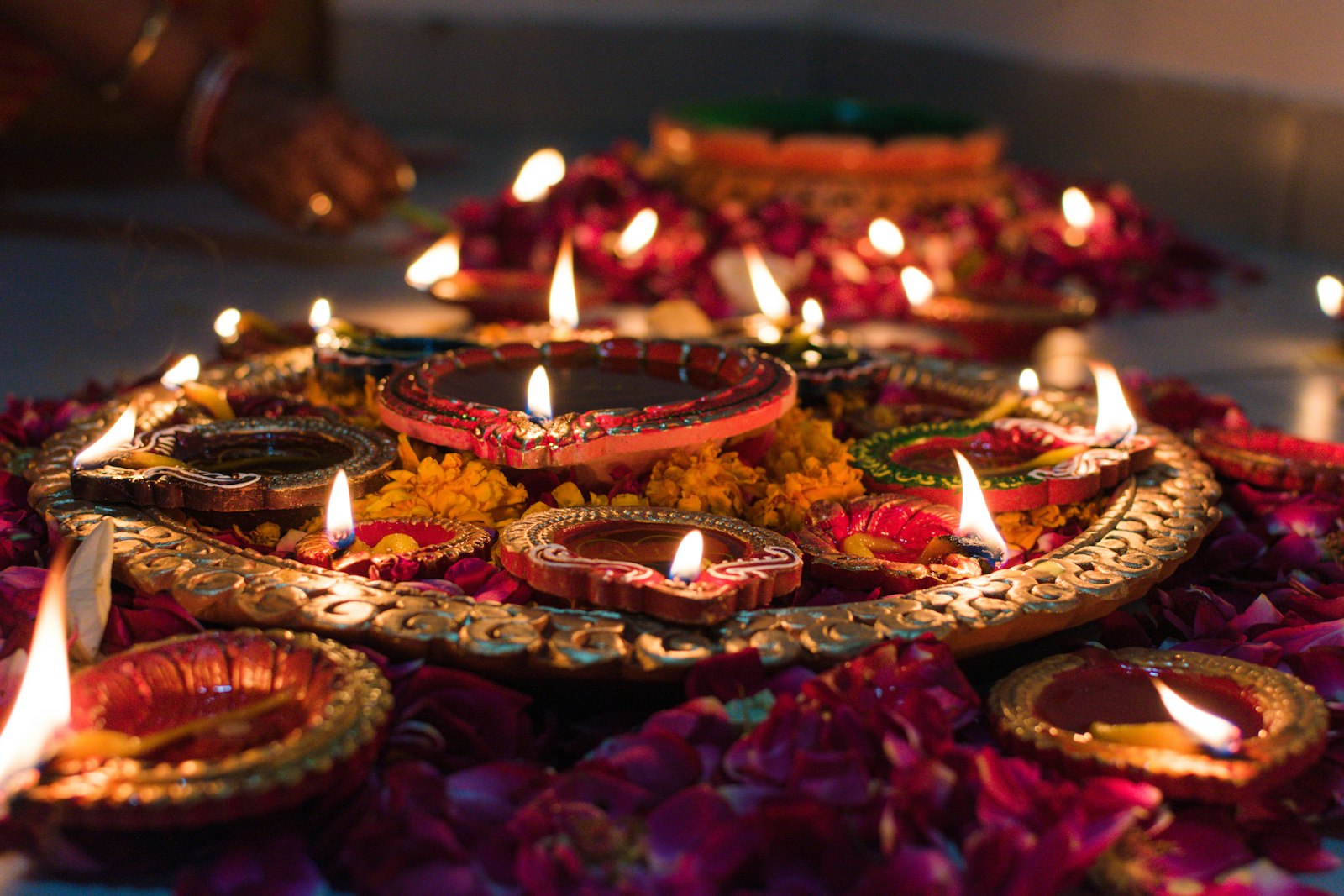
The trick is the same as on the card: one visual idea per function. Haldi can be Mithila. The wedding can be the bow and varmala. The reception can be Ayodhya at night. Guests get a story that moves across three days instead of one theme hammered into every corner.
Printed card or digital invitation?
Here's the thing nobody says out loud. Printed cards with Ram and Sita on them have a sad afterlife: guests don't want to throw away a picture of a deity, so the cards pile up in drawers or end up floating in a river. A digital invite sidesteps that completely. It's also cheaper, as the numbers in our breakdown of digital wedding invitation costs in India show, and it can do things paper can't, like music, a map and RSVPs.
A digital invite also lets the story move. We designed Eventic's Mithila invitation around exactly this: guests light a diya to open it, the bow is strung and broken as they scroll, the date sits inside a marigold varmala, and the functions flow along a river with Kohbar motifs. It works in Hindi and English. If you'd rather print, keep a printed version for the elders who want something to hold, and send the digital one to everyone else.
How do you keep the elders happy?
Look, a theme invitation will get opinions. Mostly lovely ones. A few to keep the peace:
- Quote verses exactly. One wrong matra and your mausaji will mention it at every family function until 2035.
- Don't put the couple's photo in a pose that copies Ram and Sita. Inspired by is sweet. Cosplaying deities on the card makes some people uncomfortable.
- Keep a Ganesh line somewhere if your family always starts with one. It sits happily above a Ram-Sita verse.
- Send the full details, including muhurat time, venue address and contact number. Pretty doesn't replace practical.
When should you send a Ramayana invitation?
The usual rules apply, theme or not. Six to eight weeks before the wedding for the main invite, three months if half your guests are flying in. A save the date even earlier if it's a peak shaadi-season date, because every banquet hall and every pandit in your city will be double-booked by then.
One sweet touch some families like: send the first invitation to the family temple or to Ram-Sita at the home mandir before anyone else gets it. It takes two minutes and it's exactly the kind of gesture elders remember. Then the rest go out, elders first by phone call, everyone else by message the same day so nobody hears about it second-hand. Trust us, "why did Pinky get the card before me" is a real family crisis.
Where to go from here
Start with the verse, because it sets the tone for everything else. Then pick your hero motif, write the wording, and only then think about decor. Do it in that order and the whole wedding will feel like one story told well, which is exactly what the Ramayana has been doing for a couple of thousand years.
Siyavar Ramchandra ki jai. And may your baraat reach on time, which, let's be honest, would be a bigger miracle than lifting the Pinaka.
People Also Asked
Explore common questions related to this blog.
Get trusted event guides in your Google feed.