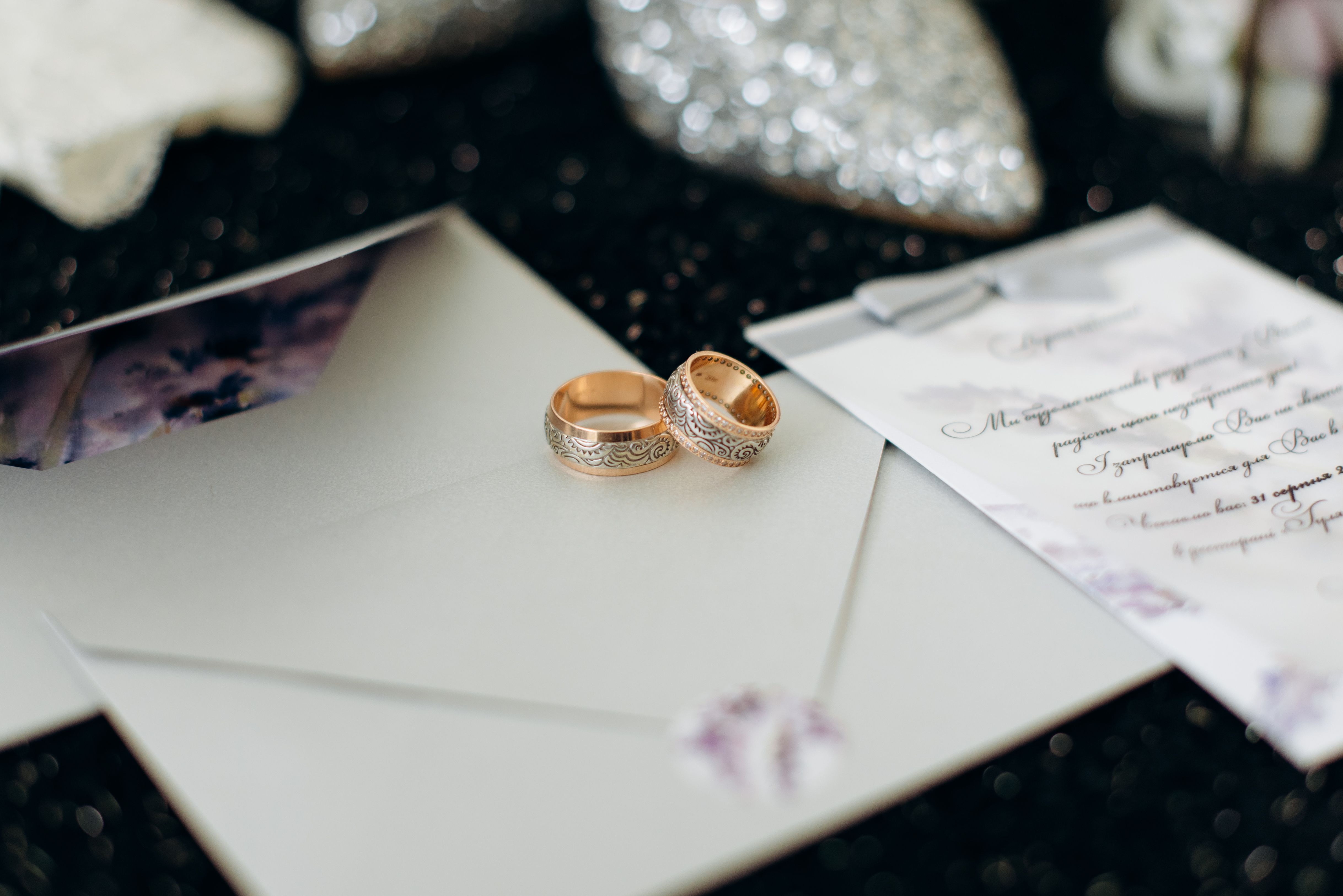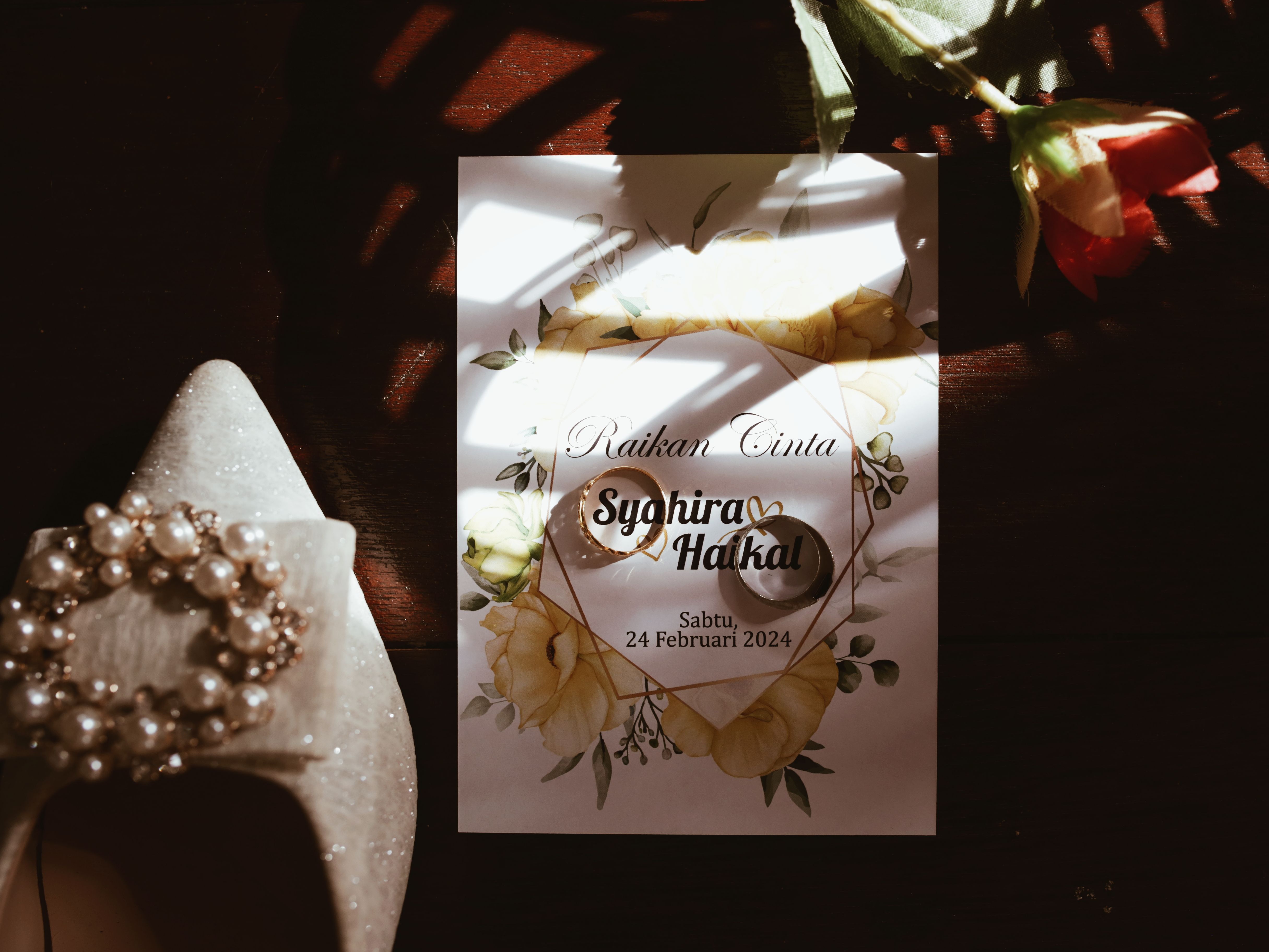
Short answer: no — a digital wedding invitation isn't rude, but how you send it can be. The rudeness was never in the medium. It's in skipping the people who need a phone call, or making Nani squint at a link she can't open. Get the delivery right and a WhatsApp invite is perfectly gracious, even for a big Gujarati or Punjabi wedding in New Jersey.
If you're an Indian family in the US weighing this, you're usually caught between two pressures: the cousins want everything on WhatsApp, and the aunties expect a card in hand. Here's how to satisfy both without offending either.
The verdict, before the nuance
For most of your guest list, digital is fine — even preferred. The exceptions are specific and small: your parents' generation, the handful of elders who hold a card as a matter of respect, and anyone you're inviting to a role (officiant, close family performing rituals). Those people get more than a link. Everyone else? A well-made digital invite is genuinely welcome, and honestly easier for guests flying in from India or across states.
That's the whole answer. The rest of this is about the edge cases where it can land as rude — and how to avoid each one.
Where the "rude" reaction actually comes from
It's rarely the format. Dig into why an elder feels slighted and it's almost always one of these four things:
They couldn't open it. A fancy animated invite that needs a good connection and a newish phone is useless to a 70-year-old on a basic Android in Edison. The invite technically arrived; the respect didn't.
It felt mass-forwarded. A link dropped into a 90-person WhatsApp group with no name attached reads as "you're a number to us." The same link sent as a personal message reads as an invitation.
They expected the ritual of the card. For many parents, handing over a physical wedding card — often with a personal visit, sometimes with sweets — is the invitation. The card is the gesture. Remove it and, to them, no real inviting happened.
They found out second. The genuine offence is usually about order, not medium. If an elder sees the invite circulating before you've reached out to them personally, that stings regardless of whether it's paper or pixels.
Notice that none of these is fixed by printing a card. They're fixed by how you deliver. Which is the actual etiquette.
A simple way to sort your list
Instead of one blanket decision, sort guests into three tiers. It takes ten minutes and prevents almost every awkward moment.
Tier 1 — Call or visit first, then send anything.
Grandparents, your parents' closest siblings, anyone performing a role, the family elder whose opinion sets the tone. These get a phone call or an in-person mention before they receive any invite. What you send afterward barely matters once you've done this.
Tier 2 — Personal digital message.
Aunts, uncles, family friends, older cousins. Send the digital invite as an individual or small-group message with a line addressed to them: "Rina Mausi, we'd love for you and Mausaji to be there." Never just a bare link.
Tier 3 — Group send is fine.
Friends, younger cousins, colleagues, plus-ones. A group message or a shared link is completely acceptable here. This is probably 60% of your list, and none of them will think twice.
The mistake most couples make is treating the whole list as Tier 3. The mistake nervous couples make is treating the whole list as Tier 1 and exhausting themselves. The sorting is the skill.
The hybrid most diaspora families land on
Very few Indian-American families go fully paperless, and they don't need to. The common, well-received setup:
- Printed cards for Tier 1 — often mailed to India for grandparents, or hand-delivered at the next family gathering. Maybe 20–40 cards total instead of 400.
- Digital invite for Tiers 2 and 3 — with the RSVP, venue map, hotel block, and multi-event schedule built in.
This is where digital genuinely outperforms paper for a US wedding: your guests are scattered, half your events (mehendi, sangeet, ceremony, reception) happen across two or three days, and people need a live map, a dress-code note, and an RSVP they can tap. A card can't update when the sangeet venue changes; a digital invite can. Most digital invitation tools, Eventic included, bundle the RSVP and map into the invite itself, which is the part guests flying in actually rely on. Keep a small run of printed cards for the elders who'd treasure one, and you've covered both instincts.
Handling the specific US-diaspora friction points
The WhatsApp-vs-email split.
Your India-side family lives on WhatsApp; some US colleagues and older family friends prefer email or even a mailed card. Don't force one channel. Send each group where they already are.
Time zones on the RSVP.
If you're collecting replies from India and the US, put the RSVP deadline in a plain date, not "by end of day Friday" — Friday ends at very different moments in Ahmedabad and Atlanta.
The elders who "don't do phones."
Someone else in the family usually manages their invitations. Ask your mom or an uncle who the offline elders are, and route printed cards or calls through the person who already handles their tech.
The optics of a cheap-looking invite.
Rudeness aside, a poorly designed digital invite can read as "we didn't spend on this." If you go digital for a wedding, make it look considered — good typography, your names, the actual event details laid out clearly. The design is doing the respect-signalling that the paper used to do.
The real etiquette here isn't paper versus digital. It's sequence and personalisation: reach the people who matter most first, address the invite to the person receiving it, and match each guest to the channel they actually use. Do that, and no one — not even the strictest auntie — has grounds to call it rude.
People Also Asked
Explore common questions related to this blog.