Quick answer: Vivah Panchami, the anniversary of Ram and Sita's wedding, falls on 14 December 2026 by most Indian panchangs. It's a huge festival, but many families, especially in Mithila and Janakpur, avoid holding their own child's wedding on that day, because Sita's married life was full of hardship. It's a folk belief, not a shastric rule, so ask your family pandit. If you're unsure, marry on a nearby muhurat and honour the day another way: a puja, a Ram-Sita themed invitation, or sending your save the dates that morning.
Here's a puzzle. The day India celebrates the most famous wedding in its mythology is also a day plenty of families refuse to hold a wedding on. Both things are true at once, and if your muhurat is anywhere near mid-December, you'll want to know why.
This is one piece of our larger guide to Ram and Sita themed wedding invitations and ideas. Here we're only on the calendar question: what Vivah Panchami is, when it falls, and whether you should pick it.
What is Vivah Panchami?
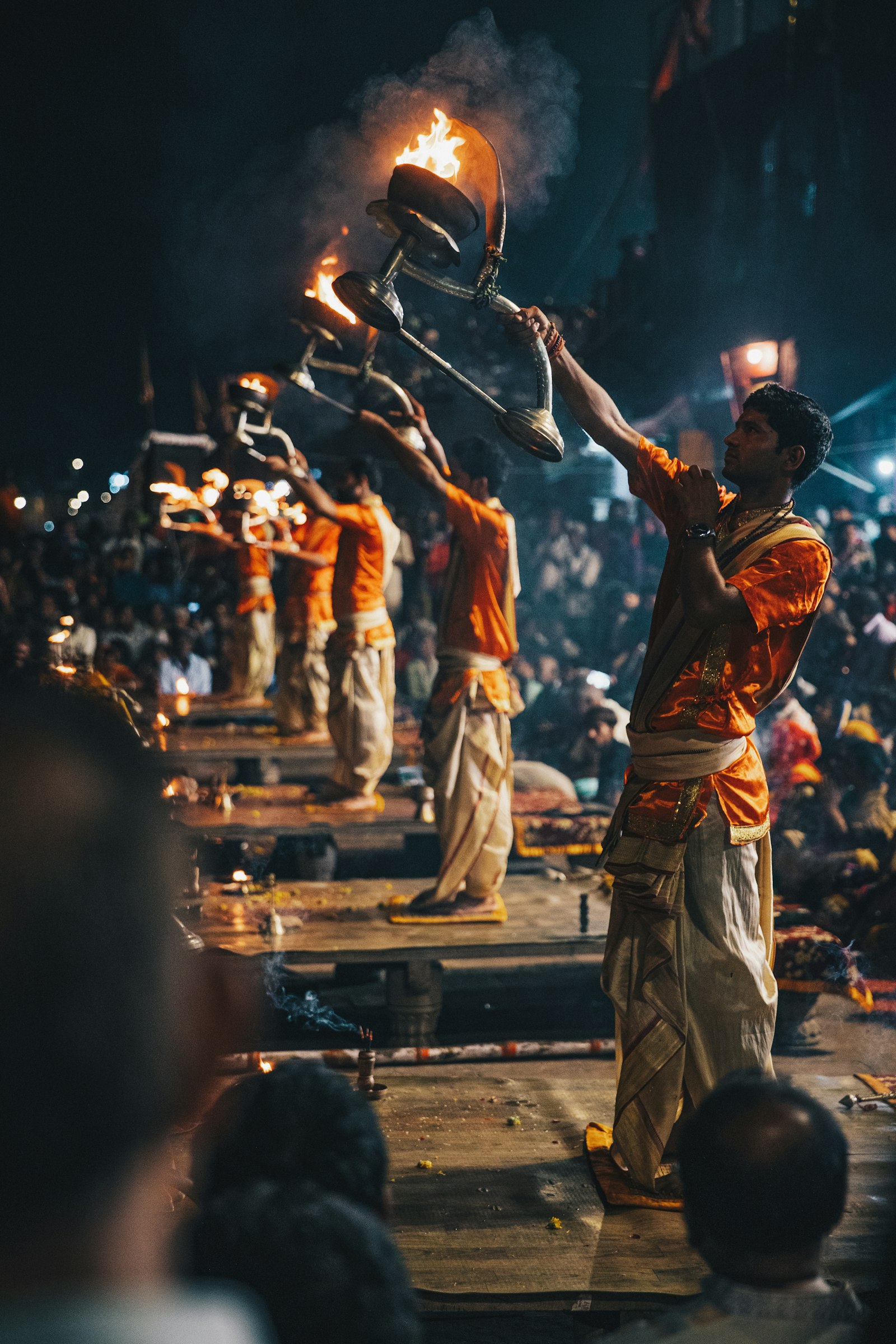
It's the day Ram and Sita were married in Mithila, celebrated on Panchami, the fifth day of the bright fortnight of Margashirsha. Temples hold symbolic weddings of the deities, Ramcharitmanas recitations run through the day, and in Ayodhya and Janakpur it's a full-blown festival.
Janakpur, in Nepal, is believed to be Sita's birthplace and the city where the swayamvar happened. The Kathmandu Post has described the city turning into a stage for the festival, with a re-enacted procession and the wedding performed around the Janaki Mandir.
What actually happens on the day
In Ayodhya, a symbolic baraat sets out for Ram, much like a real groom's procession, with bands, horses and a lot of very happy uncles. In Janakpur, the bride's side gets ready to receive it, and the city plays host as if Sita were being married all over again. Temples dress the idols of Ram and Sita as bride and groom, priests perform the wedding rituals, and devotees sing the same vivah geet you'll hear at any Bihari or Awadhi wedding.
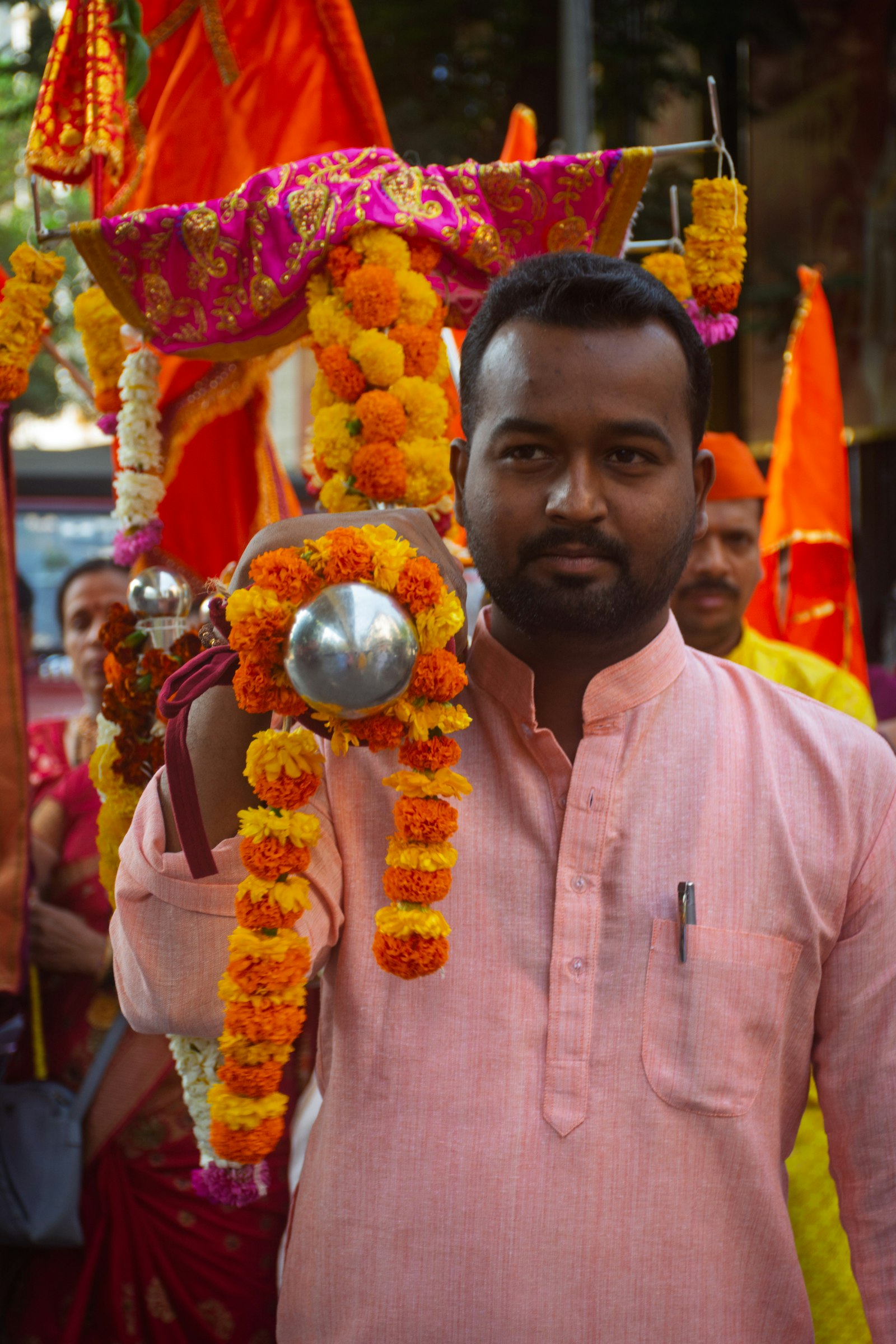
At home, families often read the Sita-Ram vivah episode from the Bal Kand of the Ramcharitmanas, offer sweets, and keep a fast till the puja is done. Nothing about it is gloomy. That's what makes the next part so interesting.
When is Vivah Panchami in 2026?
Most Indian calculations put it on Monday, 14 December 2026. Hindutone's 2026 listing uses New Delhi timings and notes the date can shift by a day for other locations. So check your city's panchang or ask your pandit before you lock anything.
Also worth knowing: the end of November and December is packed with wedding muhurats, so venues fill fast. Our earlier roundup of November and December 2026 wedding dates lists the auspicious options around it.
Why do some families avoid marrying on Vivah Panchami?
Because of what happened after the wedding. Within a short time Rama was exiled for fourteen years and Sita went with him. Then came her abduction by Ravana, the war, the agni pariksha, and finally Sita being sent away from Ayodhya while pregnant. It's one of the most painful married lives in the epics.
So the thinking goes: celebrate their wedding, but don't copy its date for your daughter's. PanchangBodh notes that many families choose not to fix their children's weddings on this day for exactly that reason, and the custom is strongest in Mithila, the region Sita came from. Kind of poignant, honestly. The people who love Sita most are the ones who won't wish her story on their own girls.
So should you get married on Vivah Panchami?
Reasons people choose it
- The day is associated with the most celebrated wedding in Hindu tradition
- Temples and towns are already in a festive mood
- It gives your anniversary a built-in story
Reasons people avoid it
- A strong belief in Mithila and Bihar families that it brings hardship
- Elders on either side may be uncomfortable
- Temples and priests are busy with festival rituals that day
Our honest take? If either family has roots in Mithila, Bihar or the Terai, skip the date. You'll avoid a conversation you don't want to have with three generations at once. If neither family holds the belief, and your pandit is happy, there's no reason not to. Just ask before you book the venue, not after.
How to bring it up with the family
Don't spring it on everyone at dinner. Ask the eldest person on each side, separately and casually: "Is Vivah Panchami okay for a wedding in our family?" If either of them hesitates even a little, that's your answer, and you've saved yourself a year of "we told you so" every time something goes wrong. If both are fine with it, mention it to your pandit when you ask for muhurats so he can check the rest of the panchang too.
Other ways to honour the day
- Do a small Ram-Sita puja at home as a family before the wedding season gets crazy.
- Send your save the dates that morning. It's a sweet, quiet nod that elders will notice.
- Use a Ram Sita theme for the invitation or one function, even if the wedding is on another date.
- Visit Janakpur or Ayodhya for the festival as a pre-wedding trip. It's genuinely spectacular.
If you go the invitation route, the wording is half the work. These Ram Sita wedding card wording samples include a short version for a save the date. And Eventic's Mithila invitation is built around this exact story, from Shiva's bow to the varmala, if you want it to feel like the festival without being on it.
Whichever date you pick, may your married life borrow Ram and Sita's devotion and skip their drama. Fourteen years in a forest is a lot, even for a honeymoon.
People Also Asked
Explore common questions related to this blog.
Get trusted event guides in your Google feed.