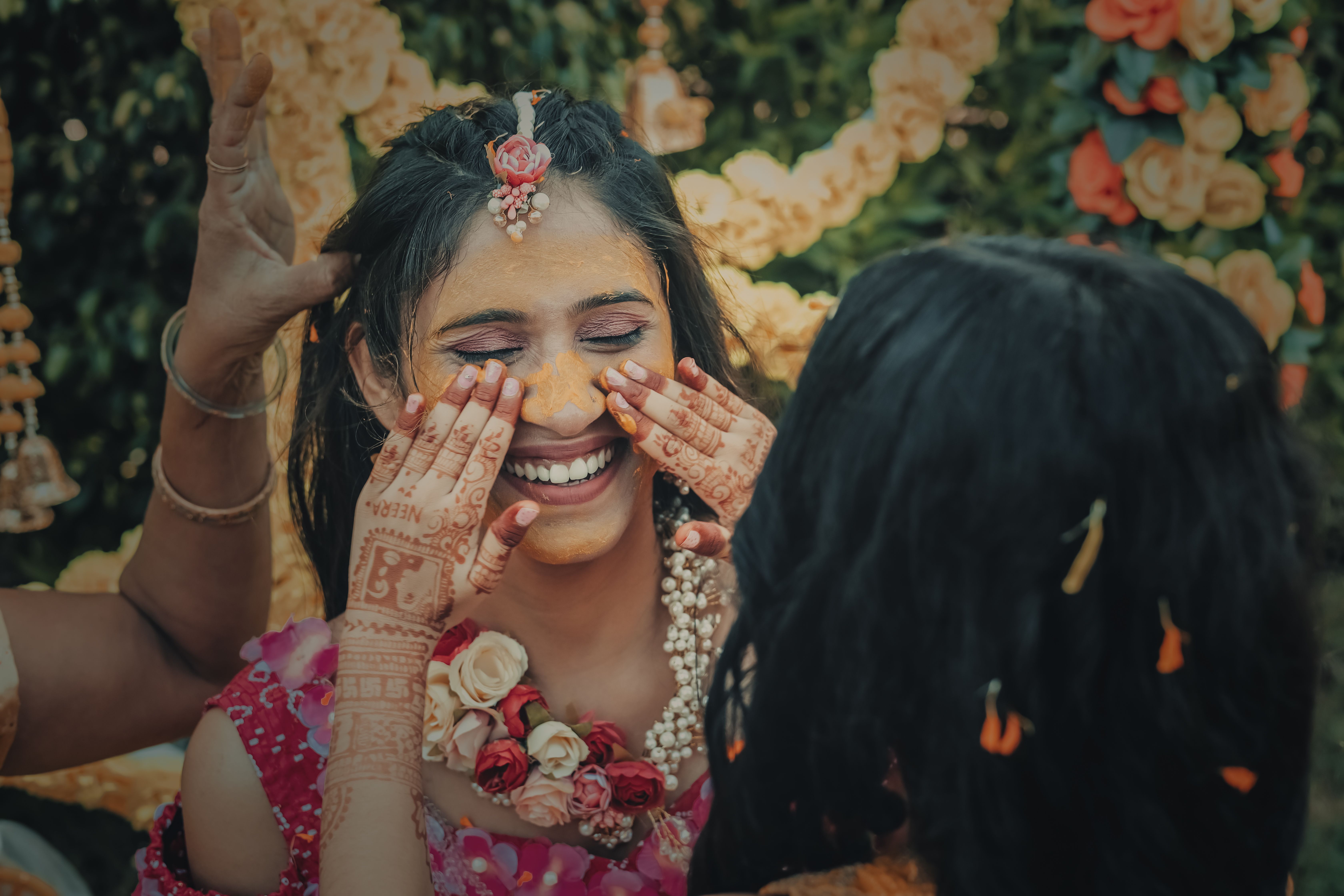
What a Middle-Class Indian Wedding Actually Costs in 2026 (And Where the Money Quietly Disappears)
Pin itSomewhere between the engagement and the first vendor meeting, every middle-class Indian family goes through the same quiet panic. You sit down with a notebook — or these days, a shared Google Sheet — and write a number at the top. Fifteen lakh, say. Feels reasonable. Feels doable.
Six months later, you're standing in a decorator's office looking at a quotation that's somehow twenty-two lakh, wondering which specific decision led you here. Was it the extra sangeet lighting? The caterer's "premium" menu tier you didn't even remember agreeing to? Nobody can ever point to the one moment. It just... happens.
If you're currently in that phase — budget on paper, reality still catching up — this one's for you. No inflated "how to have a dream wedding under 2 lakhs" fantasy, and no luxury-wedding-planner numbers that have nothing to do with your life. Just an honest look at what things cost right now, why middle-class wedding budgets keep drifting upward, and where you can actually pull back without anyone at the wedding noticing.
So What Does a Middle-Class Wedding Cost Right Now?
Ask five people and you'll get five different numbers, mostly because "middle-class" itself covers a huge range — a family in a tier-2 town and a family in Mumbai are working with very different baseline costs for the exact same wedding.
That said, here's roughly where things sit for 2026:
- Tier-2/tier-3 city, 150–250 guests: ₹6–14 lakh
- Metro city, 250–400 guests: ₹15–30 lakh
- Metro city, multiple functions (haldi, mehendi, sangeet, wedding, reception), 300+ guests: ₹25–40 lakh
And yes, weddings have genuinely gotten more expensive — not just in your head. Catering, decor, and venue pricing have all climbed noticeably over the last three years, partly food inflation, partly the simple fact that everyone now wants their wedding to look "Instagram-ready," which pushes up demand for good photographers, better lighting, and prettier venues. Nobody sets out to overspend. The wedding industry is just very, very good at making the next upgrade feel non-negotiable.
Where Does the Money Actually Go?
This is the part nobody explains clearly enough before the spending starts. Roughly speaking, across most middle-class weddings, the money splits out like this:
Venue — 25 to 35% of the budgetThis is usually the single biggest line item, and the one families overspend on most, because it's the first decision you make while everyone's still excited and nobody's tired of negotiating yet.
Catering — 20 to 25%The second-biggest chunk, and where the "per-plate" number quietly multiplies once you count every function, not just the main wedding day.
Catering per plate ka kharcha aapke guest count se multiply hota hai, toh galat count ka matlab hai seedha paisa. Confirm count pehle.
Decor — 10 to 15%Flowers, lighting, mandap or stage design. This is also where "just one small upgrade" turns into three upgrades by the final invoice.
Photography and videography — 8 to 12%Non-negotiable for most families now, and fair enough — these are the only things left once the wedding is over.
Outfits and jewellery — 10 to 15%Highly variable. Some families treat this as an investment that gets reused for years; others go all-in for one day.
Everything else — the last 10 to 15%Invitations, mehendi artists, transport, gifts, priest fees, that one cousin's DJ setup nobody remembers approving. Individually small. Together, surprisingly significant.
Here's the honest bit nobody says out loud at the first family meeting: almost none of these categories are where families overspend on purpose. It's the accumulation of a dozen small "just this once" additions — a slightly better hall, a slightly bigger guest list, one extra function nobody strictly needed — that turns a 15 lakh plan into a 22 lakh reality.
The Guest List Is the Real Budget Killer
If there's one number that decides your entire wedding cost more than any other, it's not the venue or the caterer — it's the guest count. Every additional hundred guests doesn't just mean more chairs. It means more plates, more return gifts, a bigger hall, more transport, sometimes an entirely different (and pricier) venue category altogether.
This is also the hardest one to control, because in most Indian families, the guest list isn't really "your" decision. It's your parents', your in-laws', occasionally an uncle who insists on inviting his entire office. Every conversation about trimming the guest list turns into a conversation about family obligation, and that's genuinely a harder problem to solve than any spreadsheet.
If there's one place to have an uncomfortable conversation early, it's here — not because a smaller wedding is "better," but because this single number multiplies every other cost on the list.
Where You Can Actually Save (Without It Looking Like You Saved)
Pick a weekday or an off-season date, if your priest and families allow it.Venues and vendors both charge a premium for peak wedding season weekends. A Thursday wedding in a slightly less busy month can shave a real percentage off your venue cost alone.
Choose an all-inclusive venue over piecing everything together yourself.It sounds counterintuitive, but venues that bundle catering, decor basics, and rooms into one package often work out cheaper than negotiating five separate vendors — and it's one less thing to coordinate in the last two weeks.
Rent, don't buy, for anything worn once.Bridal outfits, groom's sherwanis, jewellery for a single function — renting has become genuinely mainstream now, not a compromise. Nobody at the wedding is checking receipts.
Negotiate the catering menu tier, not just the per-plate rate.Caterers often quote a flashy top-tier menu first. Ask specifically what a simpler, well-executed version costs — the difference is usually bigger than people expect, and guests rarely notice three fewer dishes on a buffet of fifteen.
Send digital invitations instead of printed cards.This one's small in isolation, but it adds up faster than people think — printing, courier charges across cities, and the time spent hand-delivering cards to elders all disappear. A well-designed digital invitation with your ceremony schedule, an RSVP tracker, and a venue map does everything a printed card does, minus the logistics — and it means you know your real headcount weeks earlier, which helps every other budget decision fall into place.
Track RSVPs properly, from day one.This deserves its own mention because it quietly saves money in a way people don't expect: knowing your exact headcount early means you're not over-catering "just to be safe," which is one of the most common sources of wasted spend at Indian weddings.
Card kab bhejna hai aur reply kab tak maangna hai — iska poora timeline yahan hai, including multi-day functions ke liye.
A Wedding Budget That Actually Survives Contact With Reality
If there's one piece of advice that holds up across every income bracket, it's this: decide your three non-negotiables before you meet a single vendor. Maybe it's the venue, the photography, and your mother's jewellery. Maybe it's something else entirely. Whatever they are, protect that spending, and treat everything outside those three as genuinely optional.
Then build in a buffer — 10 to 15% on top of your "final" number — because something always comes up. A last-minute function nobody planned for. A rate hike between booking and payment. An extra hundred guests your father-in-law "forgot to mention." It happens in almost every wedding, at every budget level, and having that buffer already built in is the difference between a stressful month and a manageable one.
Weddings in India will probably keep getting more expensive — that trend isn't reversing anytime soon. But a wedding that feels warm, well-organised, and true to your family doesn't actually require matching the family down the street who spent double. It requires knowing, clearly, where your money is going — and being comfortable saying no to the parts that don't matter to you, even when everyone around you says yes.