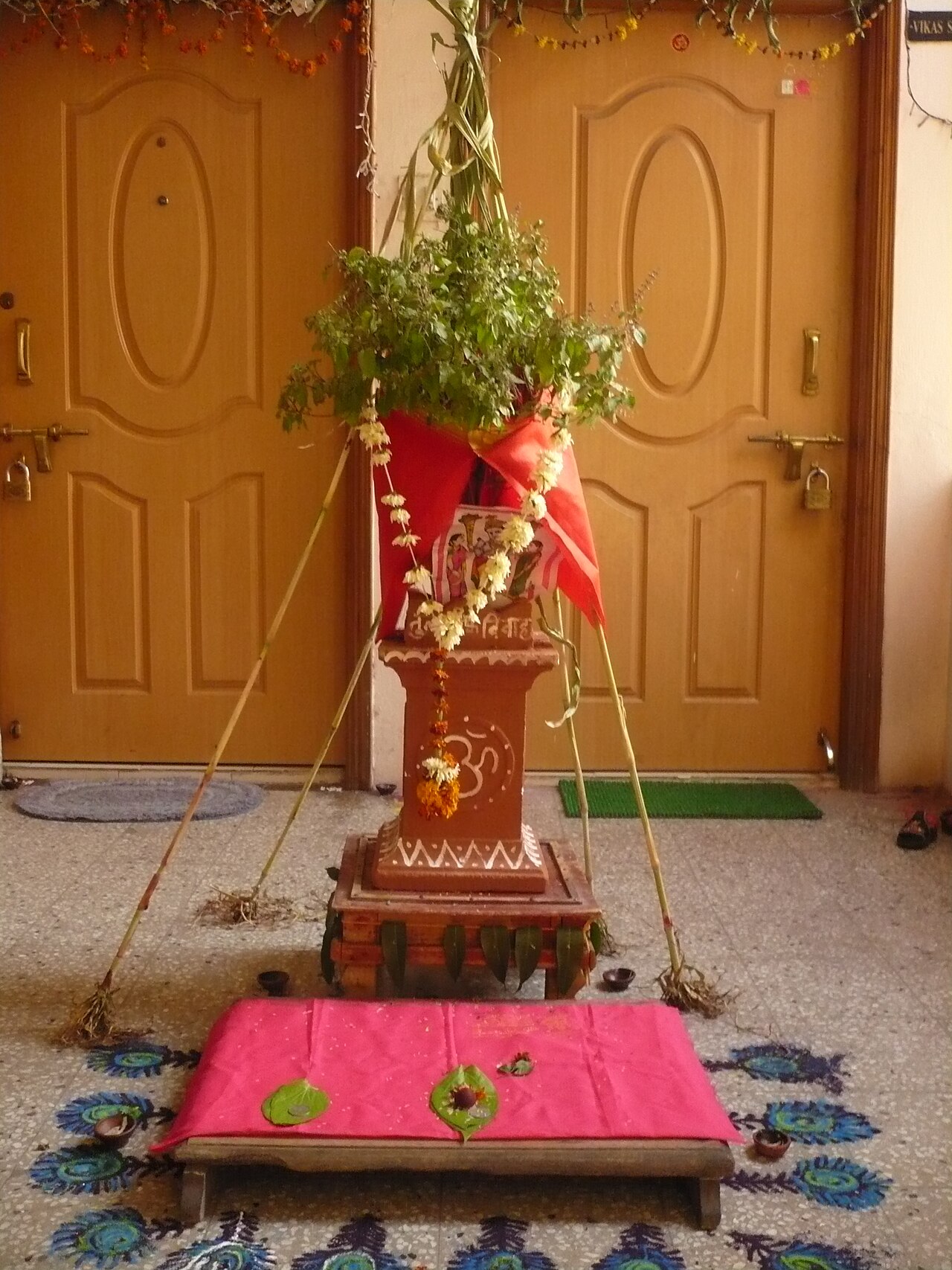
Dev Uthani Ekadashi 2026: Date, Time, Parana, Puja Vidhi and Why the Wedding Season Starts Now
Pin itQuick answer: Dev Uthani Ekadashi 2026 falls on Friday, 20 November 2026. The Ekadashi tithi runs from 7:15 AM on 20 November to 6:31 AM on 21 November, and the fast is broken (parana) on 21 November between 1:11 PM and 3:18 PM (New Delhi, per Drik Panchang). Vaishnava and ISKCON followers observe it a day later, on 21 November. It marks Lord Vishnu waking from his four-month sleep, ends Chaturmas, and is followed by Tulsi Vivah on 21 November and the first wedding muhurat of the season the same day. Yes, the shaadi invites start flying this week.
Four months ago, the shehnai went quiet. Venues sat half-empty, pandits stopped picking up calls about muhurats, and every aunty in the family said the same thing: "Dev Uthani ke baad." Well, Dev Uthani is here.
This guide has everything you need for Dev Uthani Ekadashi 2026 in one place: the exact date and time, when to break the fast, how to do the puja at home, what to eat and avoid, the story behind the day, and why it decides when India's wedding season begins.
Key takeaways
Dev Uthani Ekadashi 2026 at a glance
- Date: Friday, 20 November 2026
- Ekadashi tithi: 7:15 AM, 20 Nov to 6:31 AM, 21 Nov
- Parana: 21 Nov, 1:11 PM to 3:18 PM (New Delhi)
- Tulsi Vivah: Saturday, 21 November 2026
- First wedding muhurat of the season: 21 November
When is Dev Uthani Ekadashi in 2026?
Dev Uthani Ekadashi, also called Prabodhini Ekadashi, Devutthana Ekadashi or Haribodhini Ekadashi, falls on the Ekadashi of the Shukla Paksha in the month of Kartik. In 2026, that's Friday, 20 November. The timings below are for New Delhi from Drik Panchang's Prabodhini Ekadashi page.
| Observance | Date | Time (New Delhi) |
|---|---|---|
| Ekadashi tithi begins | Friday, 20 Nov 2026 | 7:15 AM |
| Ekadashi tithi ends | Saturday, 21 Nov 2026 | 6:31 AM |
| Parana (breaking the fast) | Saturday, 21 Nov 2026 | 1:11 PM to 3:18 PM |
| Gauna (Vaishnava) Ekadashi | Saturday, 21 Nov 2026 | Parana on 22 Nov, 6:49 AM to 8:56 AM |
| Tulsi Vivah | Saturday, 21 Nov 2026 | Dwadashi: 6:31 AM, 21 Nov to 4:56 AM, 22 Nov |
Tithi timings move by a few minutes from city to city, and the parana window moves more. Devaastha lists Mumbai's parana as 1:31 PM to 3:45 PM and Kolkata's as 12:28 PM to 2:40 PM. If you're outside Delhi, check your local panchang. If you're confused about whether to fast on the 20th or the 21st, we explain the difference in our full breakdown of Tulsi Vivah and Ekadashi dates.
What is Dev Uthani Ekadashi and why is it celebrated?
The name says it all: dev means god and uthani means waking up. According to Hindu belief, Lord Vishnu goes into yoga nidra, a deep cosmic sleep on the serpent Shesha, on Devshayani Ekadashi in the month of Ashadha. He wakes up four months later on this Ekadashi in Kartik. Those four months are called Chaturmas.
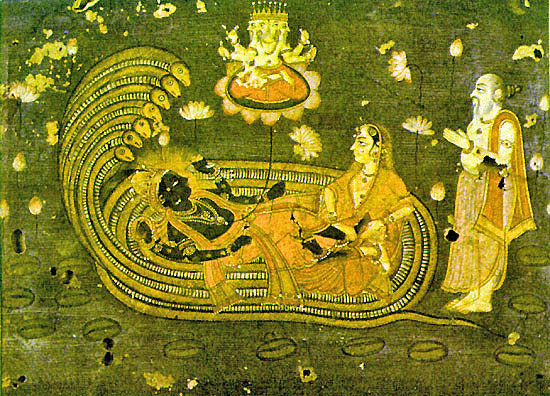
During Chaturmas, many families avoid auspicious beginnings: weddings, griha pravesh, mundan and similar sanskars. The idea is simple and kind of sweet. You don't hold a wedding when the god you're inviting is asleep. So when Vishnu wakes up, the whole calendar wakes up with him.
Different names, same festival
- Prabodhini Ekadashi: the Sanskrit name, from prabodh, to awaken.
- Devutthana or Dev Uthani Ekadashi: the name most used in north India.
- Kartiki Ekadashi: in Maharashtra, when lakhs of warkaris reach Pandharpur for Lord Vitthal.
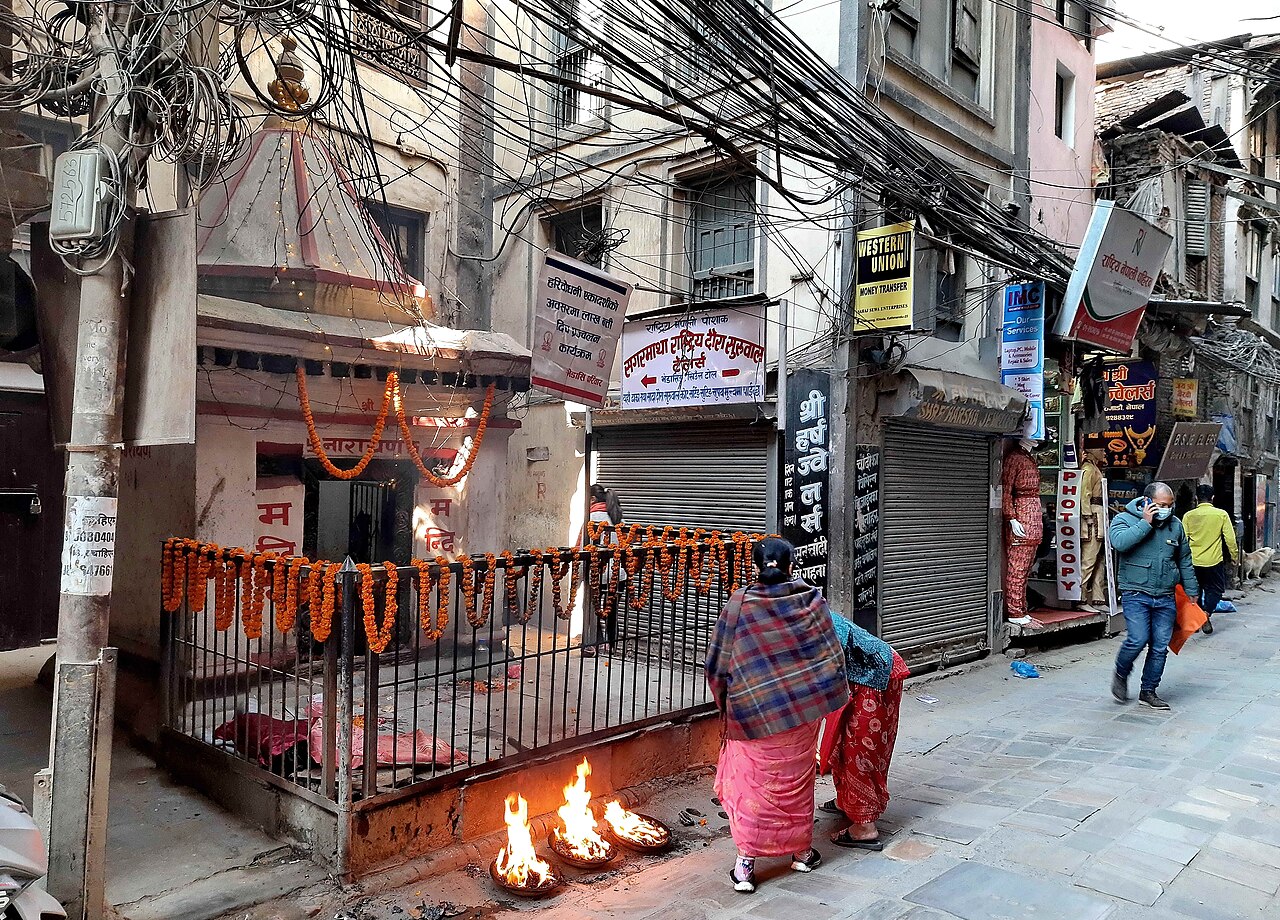
- Haribodhini Ekadashi: the name used in Nepal, where temples fill with devotees and lamps.
How Dev Uthani Ekadashi is celebrated across India
In Uttar Pradesh and Bihar, it's a homely, joyful festival: women draw the Lord's footprints, families gather around a winnowing basket in the evening, and the season's first sugarcane is cut and shared. In Maharashtra, Kartiki Ekadashi brings a sea of warkaris to Pandharpur, and homes across the state hold Tulsi Vivah over the following days. In Gujarat, many temples and havelis celebrate Tulsi Vivah with music and a full wedding procession for the Lord. In Rajasthan, the holy days of the Pushkar fair begin around Prabodhini Ekadashi and run till Kartik Purnima. And in Nepal, Haribodhini Ekadashi fills Vishnu temples with lamps and devotees.
Different regions, different songs. Same message everywhere: the Lord is awake, so life's celebrations can begin again.
How to do Dev Uthani Ekadashi puja at home
There's no single all-India method. Families in UP, Bihar, Rajasthan, Gujarat and Maharashtra each have their own touches. But most home pujas follow this basic order.
Step by step
Dev Uthani Ekadashi puja vidhi
Wake early and take a sankalp
Bathe before sunrise, wear clean clothes and take a sankalp (vow) for the fast in front of Lord Vishnu.
Draw the Lord's feet
In many homes in UP and Bihar, women draw Vishnu's footprints with rice paste or geru near the puja spot or the tulsi, often with a small rangoli around them.
Set up the altar
Place a Vishnu or Shaligram idol on a clean chowki with a yellow cloth. Light a ghee diya and dhoop.
Offer seasonal produce
Sugarcane, water chestnut (singhara), sweet potato, ber, amla and other winter produce are offered. This is also when many families eat the season's first sugarcane.
Wake the Lord
In the evening, the family gathers to "wake" Vishnu with songs, bells and conch. In many villages a winnowing basket (soop) is tapped while singing the traditional uthho dev songs.
Aarti and katha
Do the Vishnu aarti, listen to or read the vrat katha, and keep a night vigil with bhajans if you can.
The shloka most commonly recited to wake the Lord is:
उत्तिष्ठोत्तिष्ठ गोविन्द त्यज निद्रां जगत्पते।
त्वयि सुप्ते जगन्नाथ जगत् सुप्तं भवेदिदम्॥
It means: Arise, O Govinda, Lord of the world, leave your sleep. When you sleep, O Jagannath, the whole world sleeps.
For the full step-by-step version, including the samagri list and the pheras for the tulsi wedding the next day, see our Tulsi Vivah puja vidhi and samagri guide. And if you'd like the whole thing in Hindi, our देवउठनी एकादशी 2026 guide in Hindi covers the date, parana and vidhi.
Dev Uthani Ekadashi vrat rules: what to eat and what to avoid
Usually eaten
- Fruits, milk, curd and dry fruits
- Sabudana khichdi or vada
- Singhara or kuttu flour rotis and pakoras
- Sweet potato, potato and arbi
- Sendha namak instead of regular salt
Usually avoided
- Rice and anything made from rice
- Wheat, dal and regular grains
- Onion, garlic and non-vegetarian food
- Plucking tulsi leaves on Ekadashi itself
- Regular table salt for many families
Some people keep a nirjala fast (no water), most keep a phalahar fast, and elders or people with health conditions often eat one simple satvik meal. Pick what's right for your body. Fasting is a devotion, not an endurance test, and no pandit worth his tilak would tell your diabetic nana otherwise.
The story behind Dev Uthani Ekadashi and Tulsi Vivah
The best-known story connects Ekadashi to the tulsi plant. Vrinda was a deeply devoted wife married to the powerful asura Jalandhar. Her devotion made her husband unbeatable, and even the gods couldn't defeat him. To end his reign, Lord Vishnu took Jalandhar's form and broke Vrinda's vow. Jalandhar was killed.
When Vrinda discovered the deception, she cursed Vishnu to turn to stone, which is how he came to be worshipped as the Shaligram. She gave up her life, and from the spot where she died grew the tulsi plant. Moved by her devotion, Vishnu promised that he would marry her in her tulsi form every year, and that no offering to him would be complete without a tulsi leaf. That promised wedding is Tulsi Vivah.
Versions differ by region and by Purana, but the heart of the story stays the same: devotion, a wrong set right, and a marriage. Which is why, of all festivals, this is the one that opens the wedding season.
Tulsi Vivah 2026: the first wedding of the season
On Saturday, 21 November 2026, families across India will dress the tulsi plant as a bride, build a little mandap of sugarcane over her, and marry her to Lord Vishnu in his Shaligram form. There are haldi, pheras, kanyadaan and wedding songs. It is, quite literally, a full shaadi in your angan.
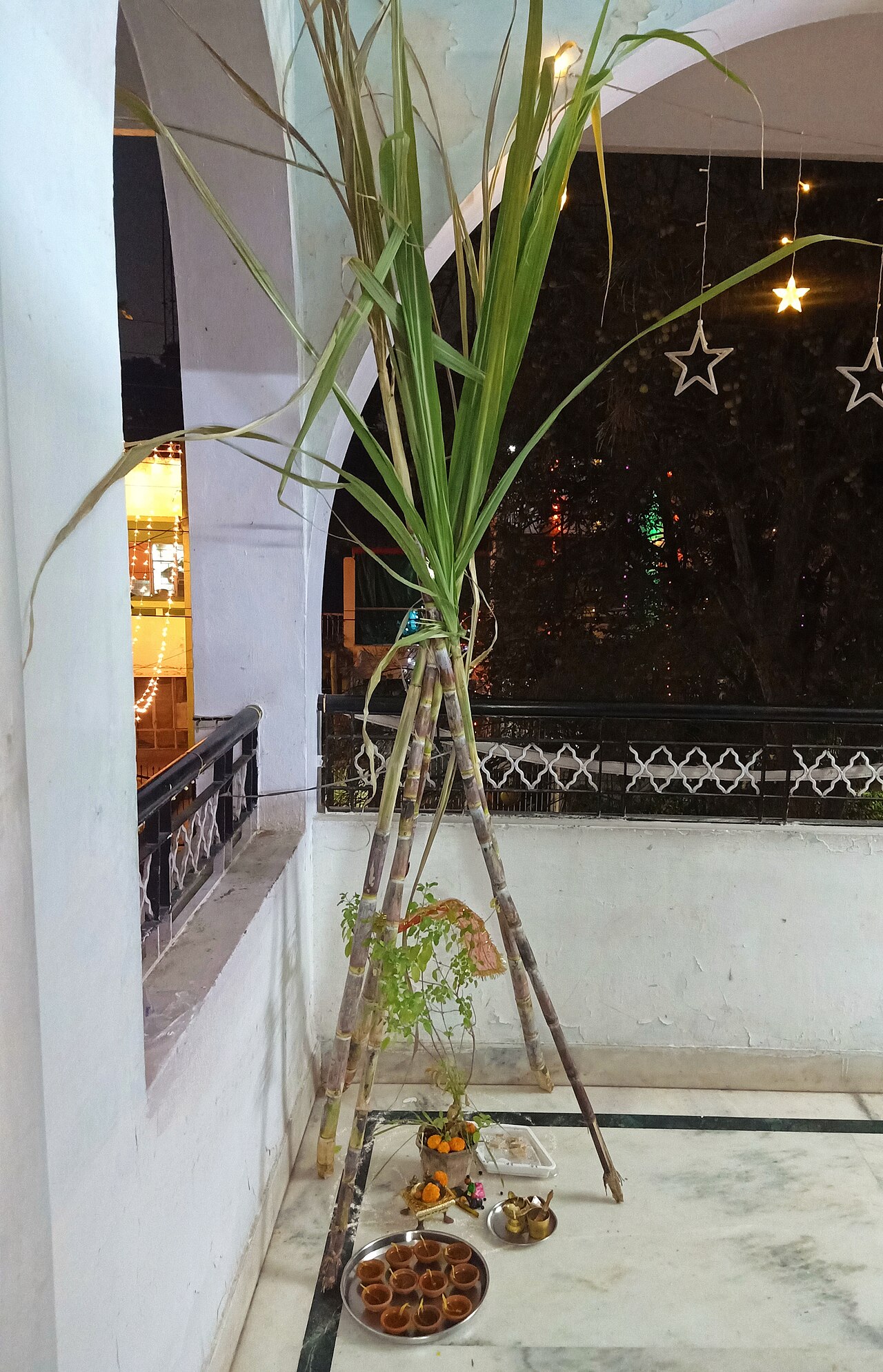
Want to make the courtyard look the part? We've collected Tulsi Vivah rangoli designs, from simple 10-minute ones to full mandap rangolis. And if you're hosting it for the extended family, which in our experience always means more people than planned, our Tulsi Vivah invitation wording in Hindi and English will help you get the WhatsApp message out on time.
Why the wedding season starts after Dev Uthani Ekadashi
With Chaturmas over and Tulsi Vivah done, the shubh vivah muhurats return. According to Drik Panchang's New Delhi calendar, the first marriage muhurat of the season falls on 21 November itself, followed by 24, 25 and 26 November and a run of dates in early December, before the Kharmas pause from mid-December. We listed every remaining date in our report on Tulsi Vivah 2026 and the vivah muhurat dates left this year.
If you're one of the many couples marrying in the next few weeks, the honest advice is this: send invitations now. Digital invites reach the whole family in minutes, which matters when your muhurat is ten days away and your mausi still hasn't heard the date.
Before you go
Photos: Shesh shaiya Vishnu (public domain); Haribodhani Ekadashi, Kathmandu by Rajesh Dhungana and Tulasi Vivah Pooja by Suyash.dwivedi, CC BY-SA 4.0; header Tulsi vivah, CC BY 3.0; all via Wikimedia Commons.


Uthho dev, baitho dev. May Vishnu wake up to a clean courtyard, a full thali and a family that finally stops arguing about the wedding date.
People Also Asked
Explore common questions related to this blog.
Get trusted event guides in your Google feed.