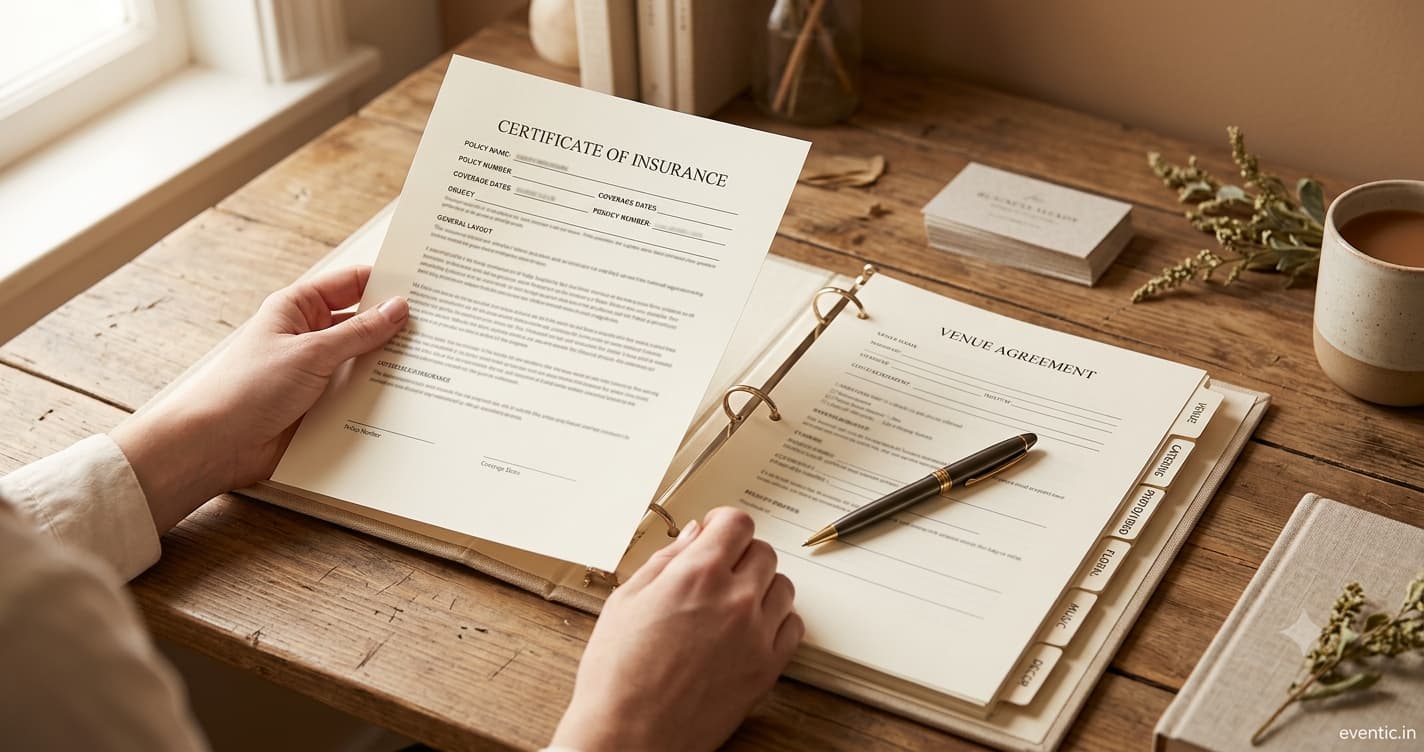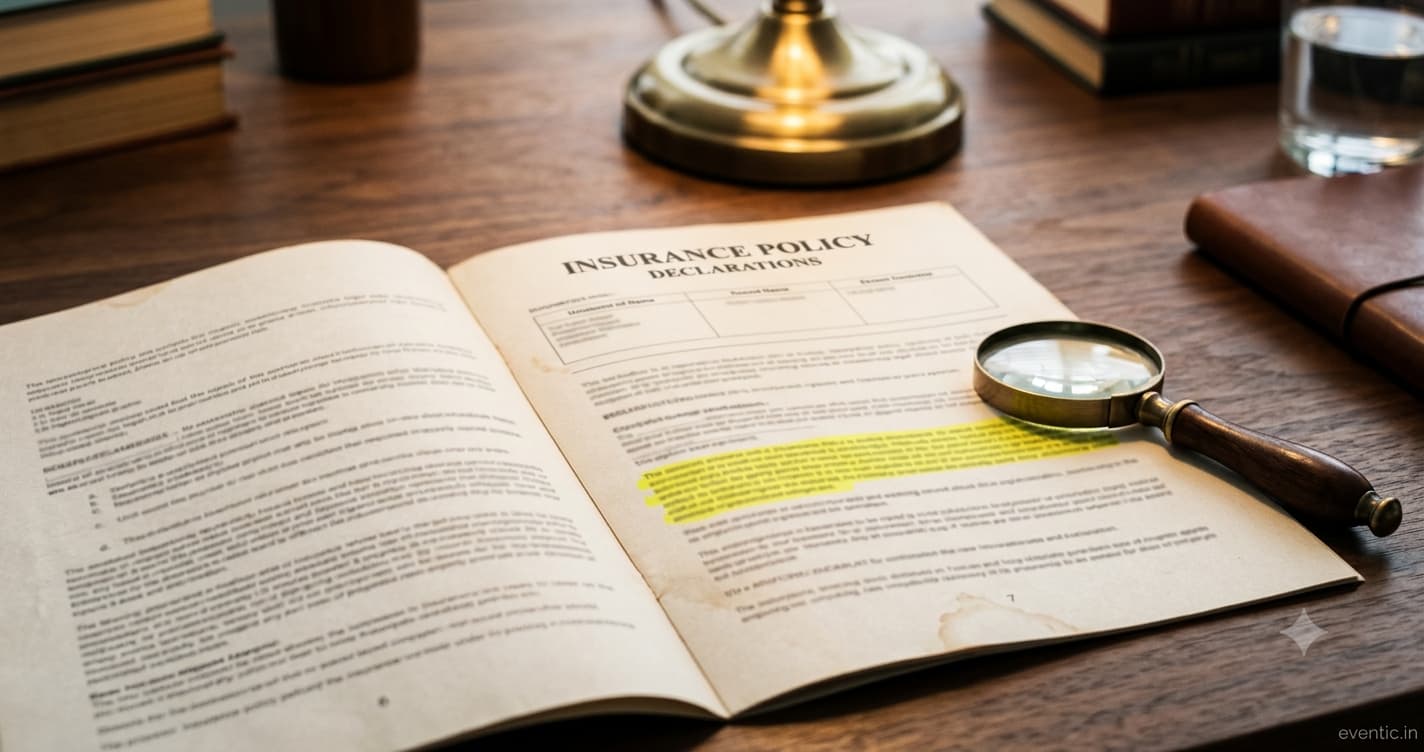
In 2020, more than 260,000 weddings were postponed across the UK alone, and the US saw comparable disruption on an even larger scale. A huge number of those couples assumed their wedding insurance would cover it. A huge number found out, in the worst possible way, that it wouldn't — and the entire industry rewrote its policies within months because of exactly that gap.
What actually happened in 2020, and why it changed everything
Before 2020, pandemic-related cancellation wasn't something wedding insurance policies bothered excluding, mostly because it had never been a meaningful source of claims. Once COVID-19 shutdowns hit, that changed overnight — carriers were suddenly fielding an enormous, unprecedented volume of cancellation claims tied to a single cause, all at once, across their entire book of business. One UK-based wedding insurance comparison service reported receiving a full year's worth of website traffic in a three-week span in March 2020 alone, as couples scrambled to buy or file claims on policies that, at the time, weren't clearly excluding pandemic-related losses.
The result was predictable from an insurance-industry standpoint: carriers that had never priced pandemic risk into their premiums took on enormous unplanned losses, several products got pulled from the market entirely, and the ones that survived rewrote their policy language going forward to explicitly exclude communicable disease and pandemic-related cancellations. This wasn't a temporary, pandemic-era-only adjustment — it became the new standard, and it has remained the standard since, because insurers have no interest in re-exposing themselves to a risk that behaves nothing like the individually random events (a single storm, one family's illness, one vendor's bankruptcy) their pricing models are actually built around.
Why pandemics don't fit the insurance model, structurally
Standard wedding insurance is priced around risks that are independent of each other — your wedding getting cancelled because of a local storm has essentially nothing to do with whether the couple three states over has their wedding cancelled for the same reason on the same weekend. A pandemic breaks that assumption completely: it's not one random bad event, it's every single policyholder facing the same triggering cause simultaneously, on a scale that would require carriers to have set aside reserves for a systemic, correlated risk rather than an individually random one. That's the actual underwriting reason the exclusion exists and has stayed universal — it's not that insurers arbitrarily decided pandemics are unfair to cover; it's that the entire pricing model for this type of policy doesn't work if a single event can trigger every claim at once.
What the exclusion typically looks like in practice
Most policies now specifically list "communicable disease," "pandemic," or "epidemic" as an excluded cause for cancellation or postponement coverage, regardless of whether the cancellation stems from a government-mandated shutdown, a personal COVID diagnosis affecting a key member of the wedding party, or a broader public health advisory. This means a wedding cancelled because a government order closed venues, and a wedding cancelled because the bride tested positive the week of, are generally treated the same way under most current policies: excluded, full stop, regardless of which specific version of "pandemic-related" caused the disruption.
Is there any pandemic protection available at all?
Occasionally, yes, in narrow forms — but it's the exception, not something you should assume is bundled in. A small number of specialty carriers have, at various points, offered limited pandemic-specific riders, usually priced and underwritten separately from the standard cancellation product, and often capped at lower coverage limits than the rest of the policy. If this specifically matters to you — say, you're marrying during a period of general public health uncertainty, or you simply want maximum protection regardless of cost — the only way to know if it's available is to ask a specific carrier directly and get the answer in writing before assuming anything is included. Don't rely on marketing language that vaguely mentions "protects against unexpected events" as proof this particular unexpected event is covered; ask the specific question and read the specific exclusion clause yourself.
What sudden illness coverage still does cover, separately from this
It's worth being precise here, because this is where a lot of confusion happens: standard sudden illness or injury coverage — the kind that reimburses you if a member of the wedding party gets sick or injured in a way unrelated to a broader pandemic — is a completely different, still-standard piece of most policies. If your officiant breaks a leg the week of the wedding, or a parent has a sudden unrelated medical emergency, that's typically still covered under ordinary sudden-illness language. It's specifically communicable-disease and pandemic-scale events that got carved out; individual, non-pandemic illness generally has not been affected by this shift. The full exclusions breakdown covers this distinction alongside the other standard carve-outs, if you want the complete list in one place.
What this means for how you should actually plan
Given that pandemic-scale disruption is explicitly not what your insurance is protecting you from, the more useful planning move is making sure your vendor contracts themselves have reasonable postponement or refund terms built in — separate from insurance entirely. A venue or caterer with a contract that allows a fee-based date change in the event of a future public health emergency is doing more real protective work on this specific risk than any insurance policy currently on the market can offer. This is a contract-negotiation question with your vendors directly, not something a policy purchase solves.
What this means if you're worried about a guest bringing an illness, not a formal pandemic
A related but distinct worry that comes up: what if it's not a declared pandemic, just a bad flu season, a localized outbreak of something like norovirus at a venue, or general concern about guests traveling in from different regions during cold and flu season. This falls into genuinely murkier territory than the clear-cut pandemic exclusion. A single guest getting sick isn't a cancellation trigger at all — the coverage that matters there is sudden illness affecting a key member of the wedding party specifically (the couple, immediate family, the officiant), not general guest health. A broader localized outbreak that doesn't rise to a formally declared public health emergency is a genuine gray area that would likely require a specific conversation with your carrier about how they'd evaluate it, rather than an obvious yes-or-no answer available in advance. If this kind of scenario worries you specifically, it's worth asking your carrier directly, in writing, how they'd handle a non-pandemic-scale but still disruptive illness situation before you need the answer under pressure.
Why this matters more for older or immunocompromised guests, even without a formal pandemic
If your wedding involves guests who are older, immunocompromised, or otherwise more vulnerable to illness, the pandemic exclusion is worth understanding not just as an abstract insurance detail but as a real planning input. It means that if a future public health situation — even one that doesn't reach the scale of 2020 — leads a specific guest or vendor to reasonably decide not to attend or work your wedding due to health risk, your cancellation insurance likely won't reimburse the associated costs. This is less an insurance problem to solve and more a reason to build flexibility directly into your vendor contracts (asking about date-change fees rather than full cancellation penalties) and to have honest conversations with vulnerable guests in advance about contingency options, rather than assuming insurance has this scenario covered by default.
What couples actually did during 2020, for context
It's worth understanding the scale of what happened, since it explains why the current exclusion is so consistently applied rather than being a rare, cautious outlier among carriers. Beyond the postponements themselves, the disruption forced a broader rethink of how couples approached their weddings generally — smaller ceremonies with the option to celebrate more broadly later, backup outdoor venues in regions where restrictions on indoor gatherings were tighter, and considerably more flexible vendor contracts became standard planning advice almost overnight. Some insurers that survived the period, rather than exiting the wedding insurance market entirely, responded by working directly with brokers and clients to waive endorsement fees for postponing to new dates — a form of flexibility that didn't require a formal claim, since the pandemic exclusion meant a formal claim generally wasn't going to succeed anyway. That pattern is worth remembering: when a specific carrier can't cover a pandemic-related cancellation through the policy itself, asking directly whether they'll waive fees for a rebooking or date change is sometimes a more productive conversation than pursuing a claim you already know is excluded.
The honest takeaway here isn't "insurance failed us." It's that this specific risk was never something insurance was built to absorb at scale, and every carrier in the market has been explicit about that since 2020 — which makes it one of the few genuinely settled, non-ambiguous exclusions in the entire wedding insurance category.
People Also Asked
Explore common questions related to this blog.
Generally yes — ordinary sudden illness or injury to a key wedding-party member remains standard coverage under most current policies. It's specifically pandemic and communicable-disease-scale events that are excluded, not individual illness in general.
There's no indication of that happening — the exclusion reflects a structural underwriting problem (correlated, simultaneous risk across the whole market) rather than a temporary reaction to 2020 specifically, so it's reasonable to expect it to remain standard going forward.
It's rare, and availability shifts based on the broader insurance market. If it matters enough to pursue, ask several carriers directly rather than assuming any one company's standard product includes it.