Hurricane Wilma hit south Florida in 2005. Twelve years later, an emergency-management director in the same region planned his own July wedding during hurricane season and bought cancellation insurance without a second thought — not out of paranoia, but because his actual job was preparing cities for exactly this kind of disruption, and he knew better than most people how often "it probably won't happen to us" turns out wrong.
Why hurricane season is genuinely different from generic "bad weather"
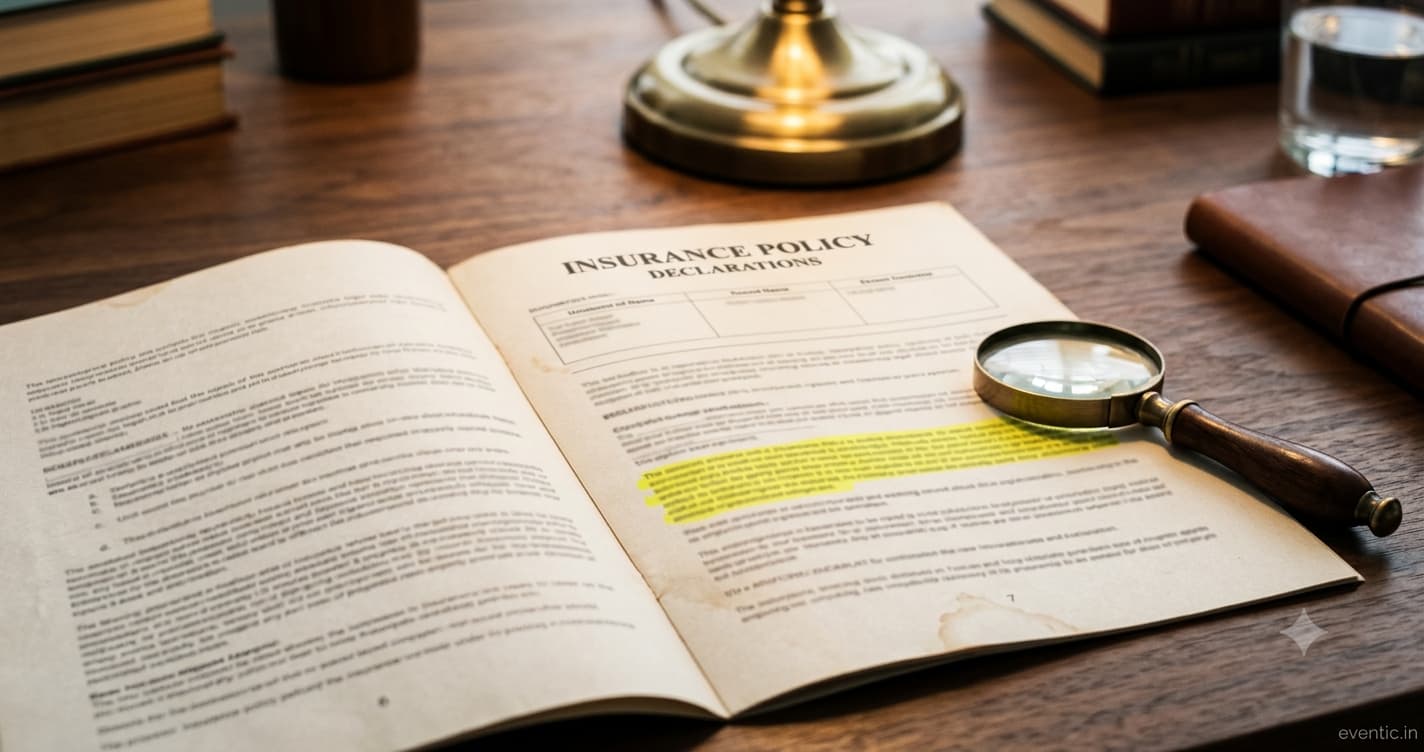
A regular thunderstorm moving through on your wedding day is not, on its own, a covered cancellation reason under most policies — insurers have been consistent about that distinction for years. A named tropical storm or hurricane is a different category entirely, and most cancellation policies explicitly list it as a covered reason, separate from the vaguer "extreme weather" language that governs less severe events. Some carriers specifically define "extreme weather" to include hurricanes, tropical named storms, and severe snowstorms, while explicitly carving out ordinary storms as insufficient.
Insurers have real data behind this distinction. One major wedding insurance provider reported that weather-related claims made up 22% of all claims filed in a single particularly active hurricane season year — a meaningfully high share that reflects just how frequently this specific risk actually materializes for couples marrying during the season, rather than being a rare edge case.
What actually triggers coverage
Coverage generally kicks in when the storm is severe enough to prevent the wedding from happening as planned — your venue becomes unusable or unreachable, or a majority of guests and key wedding-party members genuinely can't get there. A storm that's declared part of a formal state of emergency tends to make a claim more straightforward, since that's an official, verifiable trigger rather than a judgment call. A storm that's serious but localized, without a broader emergency declaration, can be more of a case-by-case determination — insurers have said directly that part of their evaluation considers whether the situation was genuinely outside your control versus something that could reasonably have been managed around.
The timing problem, specifically for hurricane season
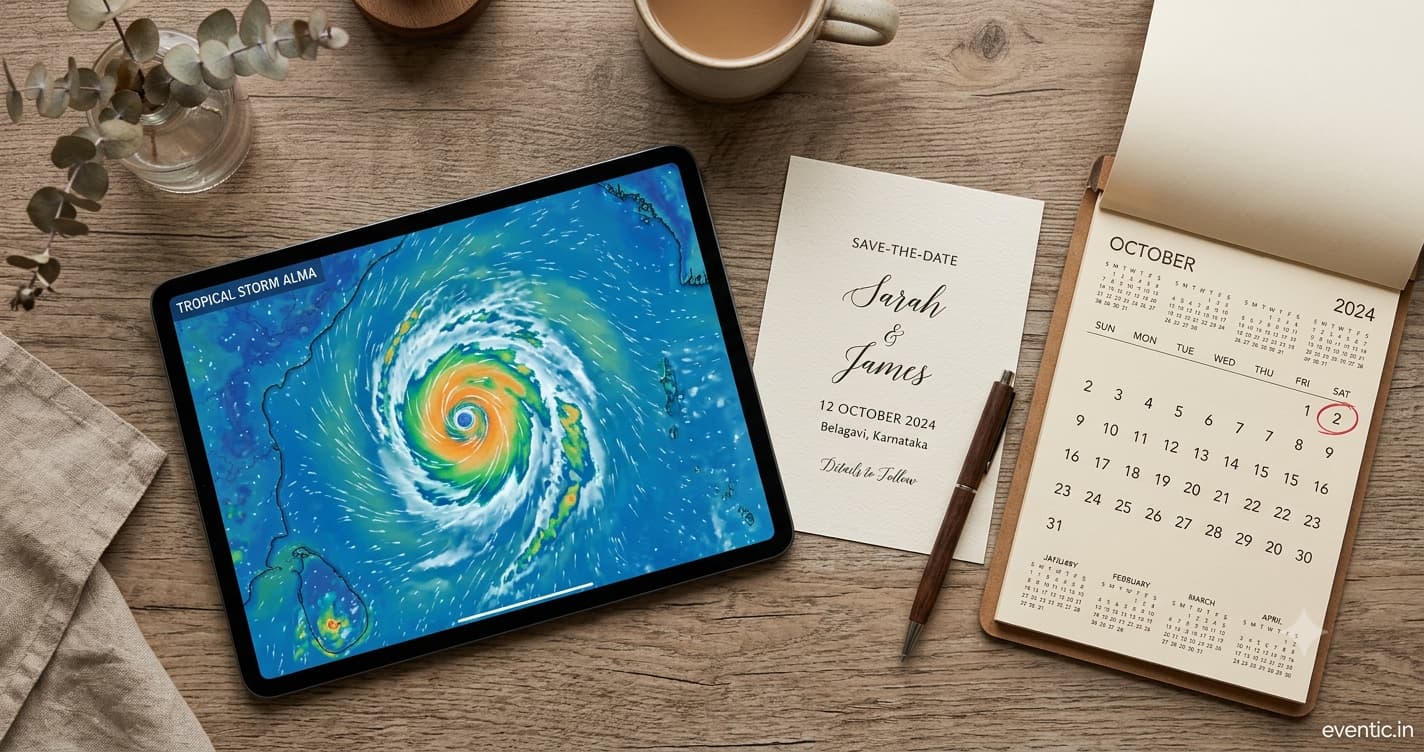
This is the part that catches people out. Wedding insurance excludes losses tied to risks you already knew about when you bought the policy. Hurricane season runs roughly June through November — a six-month window that couples marrying during that period know about well in advance, which is fine; the season being generally possible doesn't disqualify coverage. What disqualifies coverage is buying the policy after a specific storm has already been named and is being tracked toward your specific date. At that point, the risk isn't a generic seasonal possibility anymore — it's a known, forecasted event, and insurers treat it accordingly.
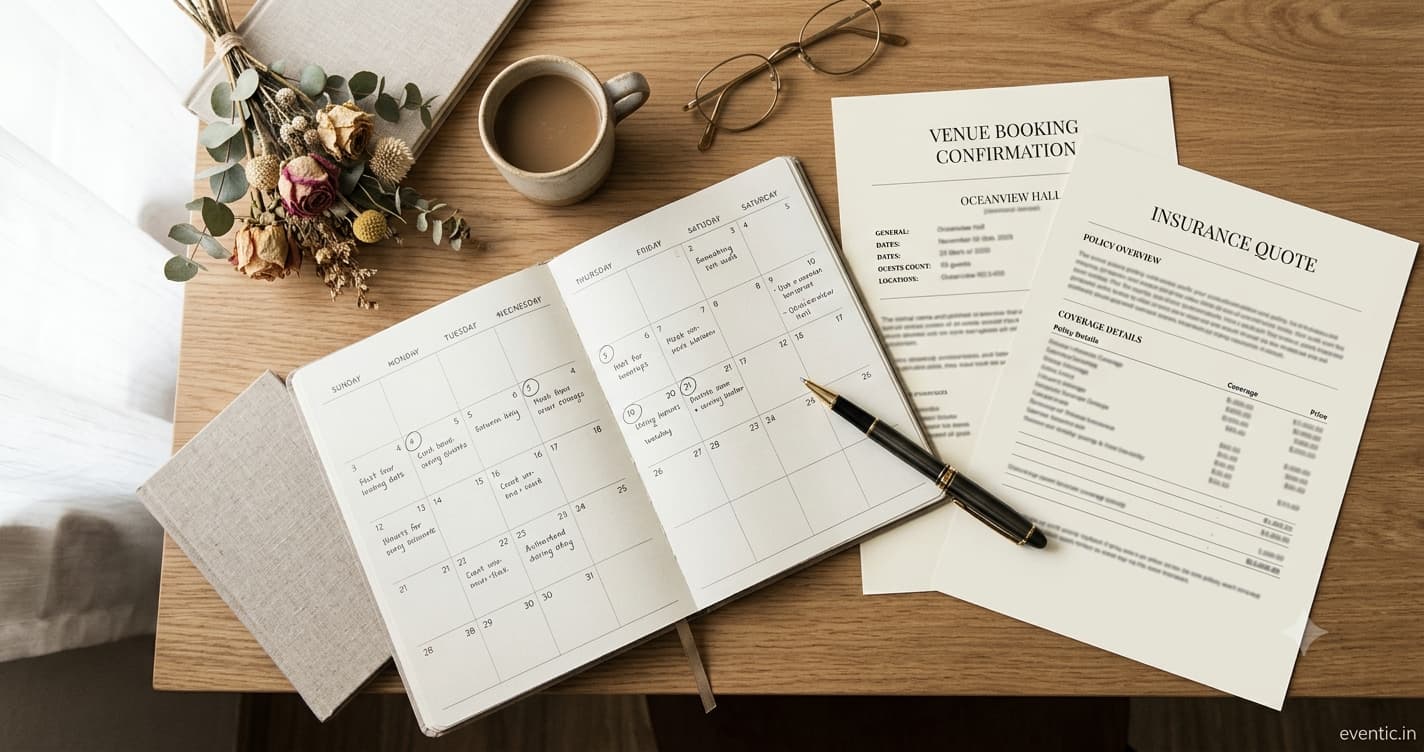
The practical implication: if you're marrying during hurricane season and haven't bought cancellation coverage yet, the safest move is to buy it well before the season is actively producing storms near your date — ideally months ahead, the same way the broader timing guide recommends for any wedding, just with extra urgency if you're in a hurricane-prone region. Waiting until August, when storm activity typically peaks, to buy coverage for an October wedding is cutting it closer than waiting would be for a wedding in a low-risk season.
What it actually costs, and whether hurricane risk changes the price
Cancellation coverage pricing is driven mainly by your total wedding budget rather than by regional storm risk specifically — a Florida wedding during hurricane season and an inland wedding during a calmer month aren't necessarily priced dramatically differently for the same budget and coverage limits, though some carriers may factor regional risk into pricing at the margins. The full cost breakdown covers the general pricing structure; hurricane risk is more a reason to buy early and make sure your coverage limit actually matches your real deposits, rather than a reason to expect a dramatically different price tag.
Outdoor and tented weddings carry extra exposure here
If your hurricane-season wedding is also outdoor or tented, you're layering two separate risk categories that compound each other — wind and severe weather affecting an open-air or temporary-structure setup is a meaningfully different exposure than the same storm affecting an indoor venue with permanent walls and a roof. The outdoor and tent wedding guide covers the structural side of this in more depth; hurricane season is really the seasonal, higher-stakes version of that same underlying conversation.
Destination weddings in hurricane-prone regions need a second conversation
If your wedding is happening abroad in a hurricane-prone destination — much of the Caribbean, parts of Central America, coastal Mexico — a storm disrupting your wedding is potentially disrupting your and your guests' travel at the same time, which pulls in a second, separate insurance product. Destination wedding insurance vs. travel insurance covers exactly this overlap — a hurricane affecting a destination wedding is one of the clearest real-world examples of why couples in that situation often need both products rather than assuming one covers everything.
What to actually do if a storm starts forming near your date
If you've already bought cancellation coverage and a storm starts developing with your wedding date in its potential path, contact your carrier proactively rather than waiting to see what happens — not necessarily to file a claim immediately, but to understand your specific policy's process and documentation requirements before you're in the middle of an active, stressful situation. Start saving official tracking information (National Hurricane Center advisories, any state of emergency declarations for your area) as it's issued, since this becomes your documentation if a claim does end up necessary. This is also the moment to have an honest conversation with your venue and key vendors about their own postponement policies, separate from insurance — sometimes the actual solution ends up being a vendor-negotiated date change rather than a full insurance claim.
What insurers are actually looking at when a hurricane claim comes in
Understanding the evaluation process ahead of time makes the whole conversation less stressful if you ever end up in it. Carriers typically look at a combination of factors rather than a single yes-or-no trigger: whether an official state of emergency or evacuation order covered your venue's location, whether the venue itself closed or became officially unusable, whether travel disruptions (airport closures, road closures) prevented a meaningful share of guests and wedding-party members from attending, and the timing of your decision to cancel or postpone relative to when the storm's threat became clear. A decision made reasonably, in line with what an official warning indicated at the time, tends to hold up well even if the storm's ultimate path or severity ends up somewhat different than forecast — insurers generally aren't looking to penalize a couple for making a sound call based on the information available in the moment.
This is also where officially documented sources matter more than personal judgment calls. A couple's own account of "it seemed too dangerous to go ahead" is far less persuasive on its own than the same account backed by a specific National Hurricane Center advisory, a state of emergency declaration, or a venue's own written notice that they were closing. Save these documents as they're issued, in real time, rather than trying to reconstruct which advisories were in effect after the fact.
Rebooking after a hurricane disruption
If a storm does force a postponement, most of the same vendors are often willing to work with couples on a new date, especially when the disruption is regionally significant enough that they're fielding the same request from several other couples simultaneously — a widescale hurricane disruption tends to generate some collective goodwill and flexibility across a local vendor community that a single couple's individual cancellation wouldn't. Contact vendors as soon as you have a realistic sense of a new date, and loop your insurance carrier in on the policy transfer at the same time, since most carriers allow moving an existing cancellation policy to a new date for a modest fee rather than requiring you to buy a fresh policy for the rescheduled event.
Marrying during hurricane season isn't a mistake — plenty of the best venues, weather, and availability cluster right in that window. It just means the insurance conversation isn't optional homework you can skip; it's the specific tool built for the specific risk you already know you're taking on by picking that date.
People Also Asked
Explore common questions related to this blog.
Not necessarily — coverage is generally based on whether the storm makes the event genuinely impossible or unreachable for key participants and a majority of guests, which can happen even without a direct hit, depending on evacuation orders, travel disruption, or venue closures.
If the postponement decision was reasonable given the information available at the time — an active storm warning covering your area — this generally still qualifies as a covered reason, even if the storm's actual path shifted afterward.
Worth considering for your traveling guests specifically, even if your venue itself isn't coastal — flight disruptions from a hurricane can affect guests flying through affected regions regardless of where your actual venue sits.